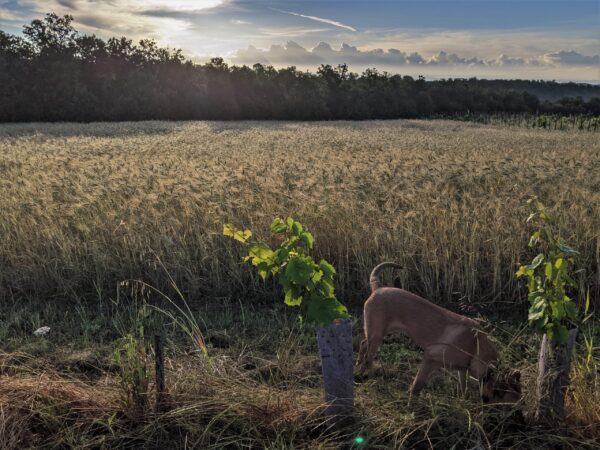


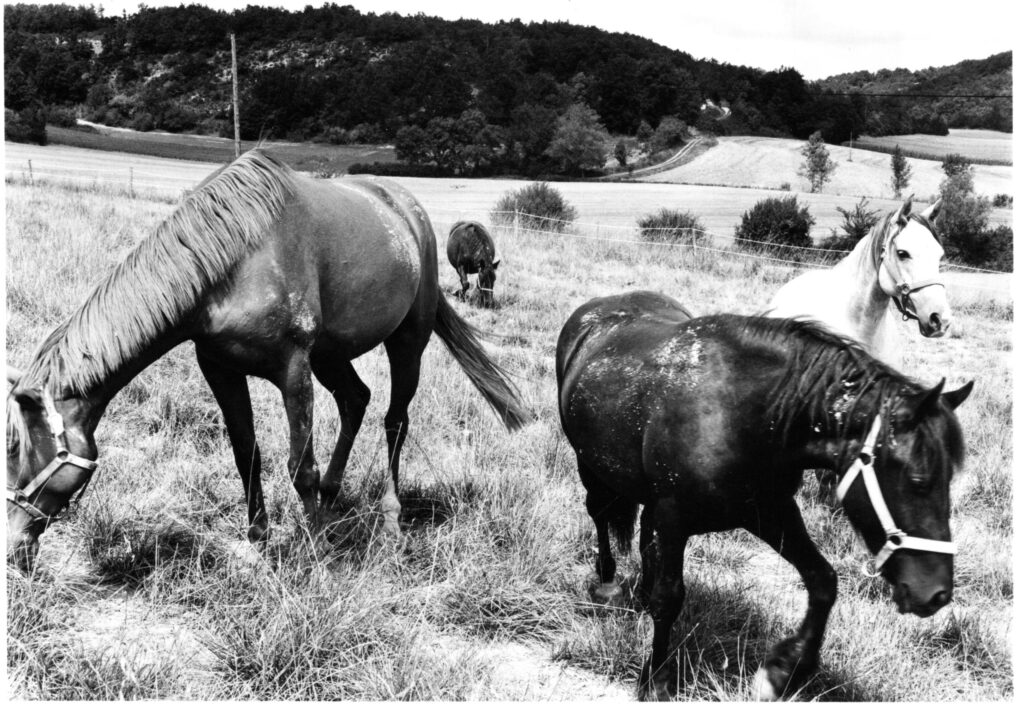
The horses
For many years, the horses have been raised outdoors year-round and help maintain the woodlands. Camille, an accomplished rider since childhood, cares for them daily and rides them very regularly.
She is initiating a new, more ambitious equestrian project, combining the well-being of the rider and the horse. The goal is to involve the rider in a philosophy where they can benefit from an exceptional connection with their horse, without discomfort or brusqueness.
In this process of connection between rider and horse, Camille also wishes to integrate the piano pieces she composes, as music is a very effective tool for concentration and relaxation for both humans and equines.
This project also includes the construction of buildings for the rider's comfort in all weather (arena, round pen, riding hall) and the development of grassy, shaded pastures for the horse's comfort. The technique of Dynamic Rotational Grazing (PTD), which involves moving horses quickly from meadow to meadow so they can always feed on fresh, tender green grass year-round, comes to us from New Zealand.

The lambs
In 2003, we asked our mares to mow my 12 hectares of truffle orchards for us. They mowed very well, but unfortunately, 400 kg on four hooves compacts the soil too much, and truffles do not like to be compressed.
So we thought of sheep: only 20 kg on four hooves, which naturally results in less compaction.
The idea for the lambs did not simply appear by magic. No, we simply realized that in the 19th and early 20th centuries, Quercy peasants had no mowers and grazed flocks of sheep in the truffle orchards.
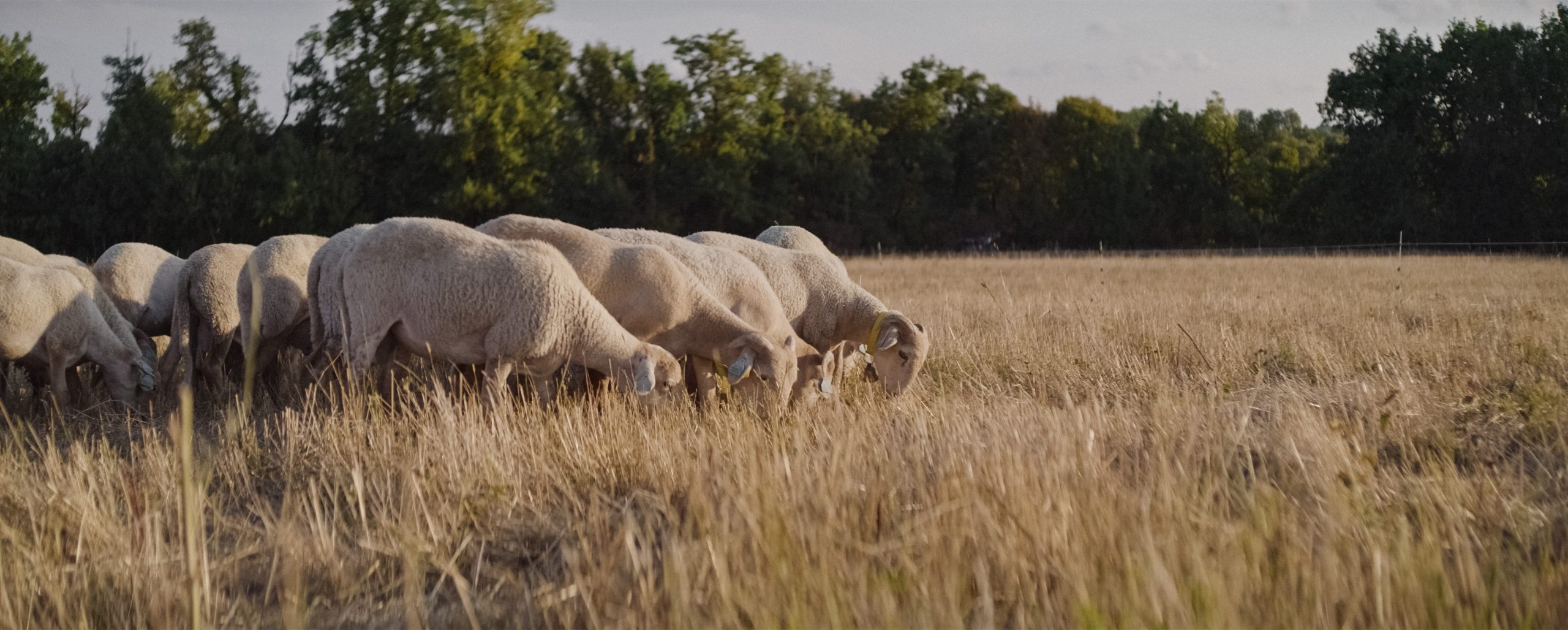
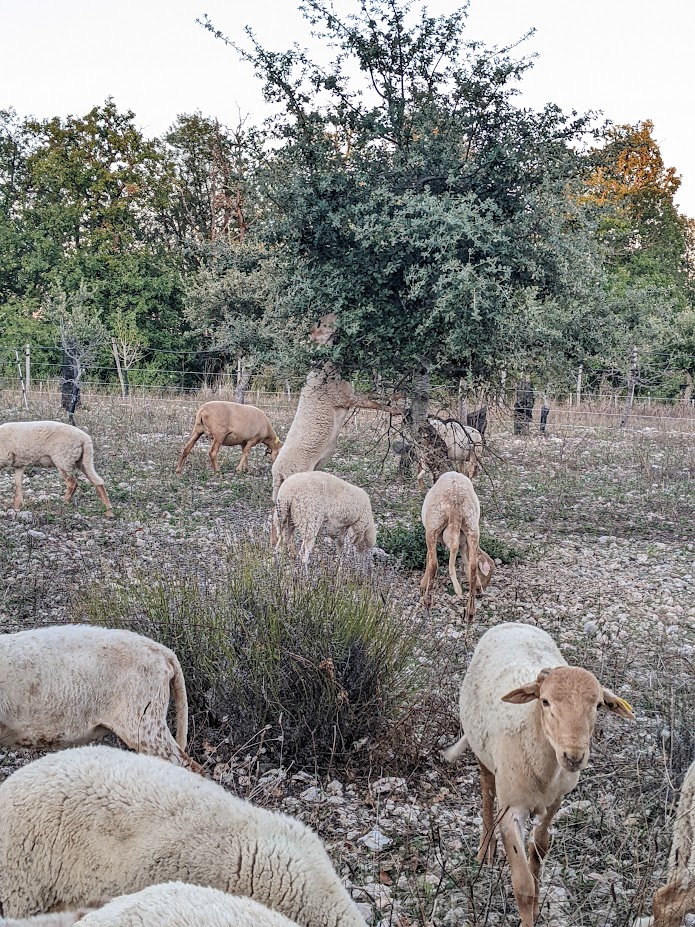
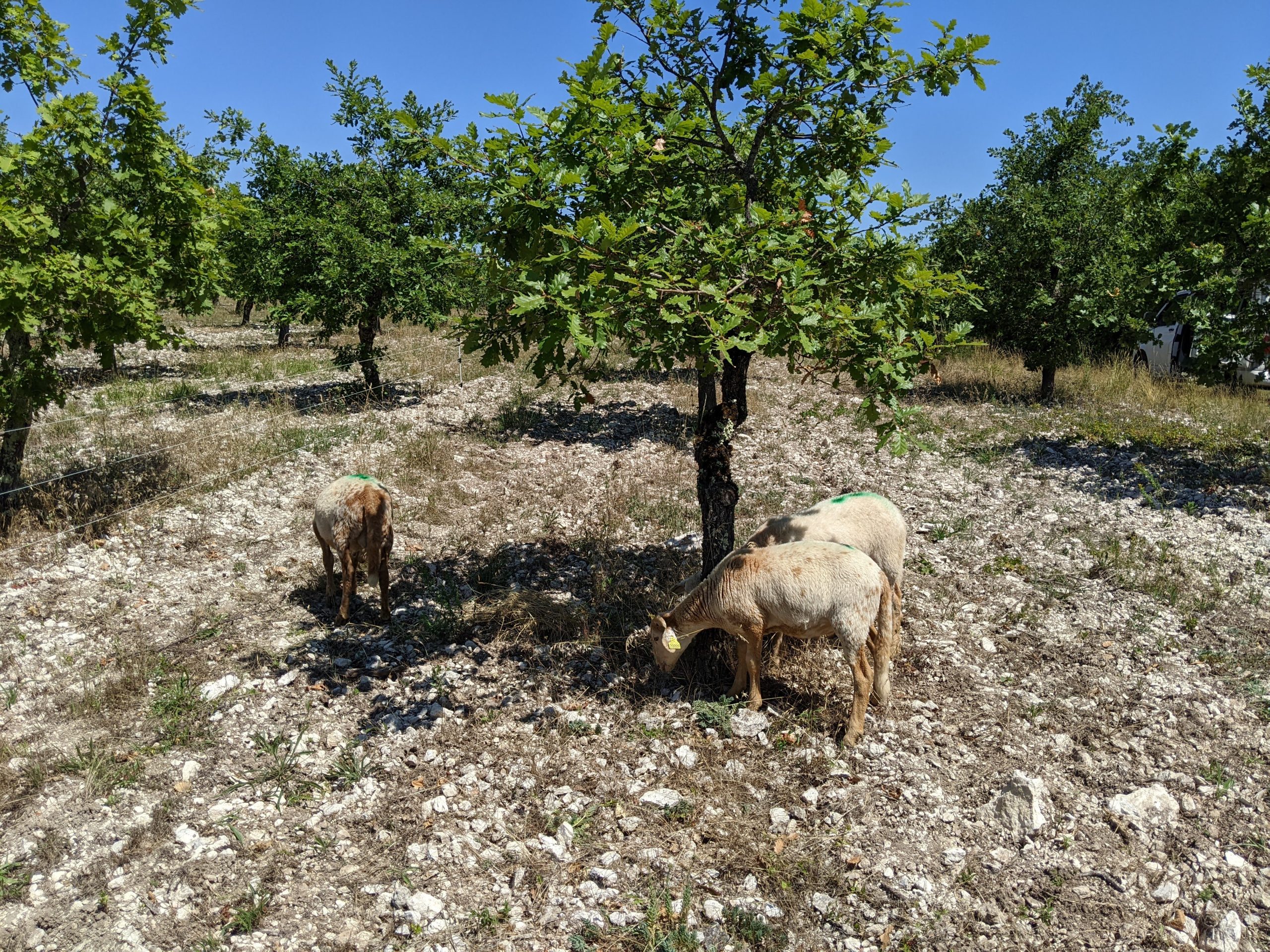
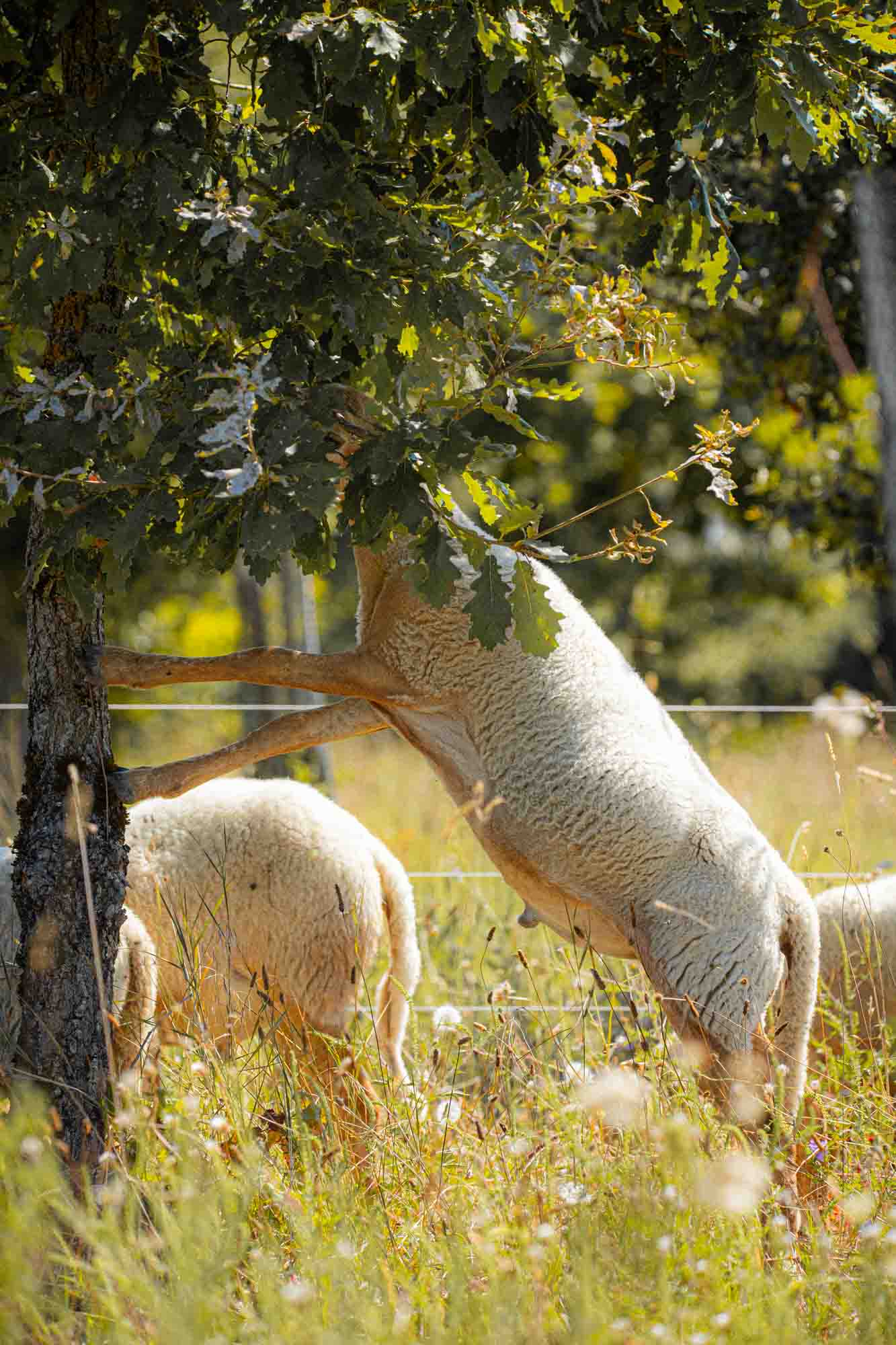
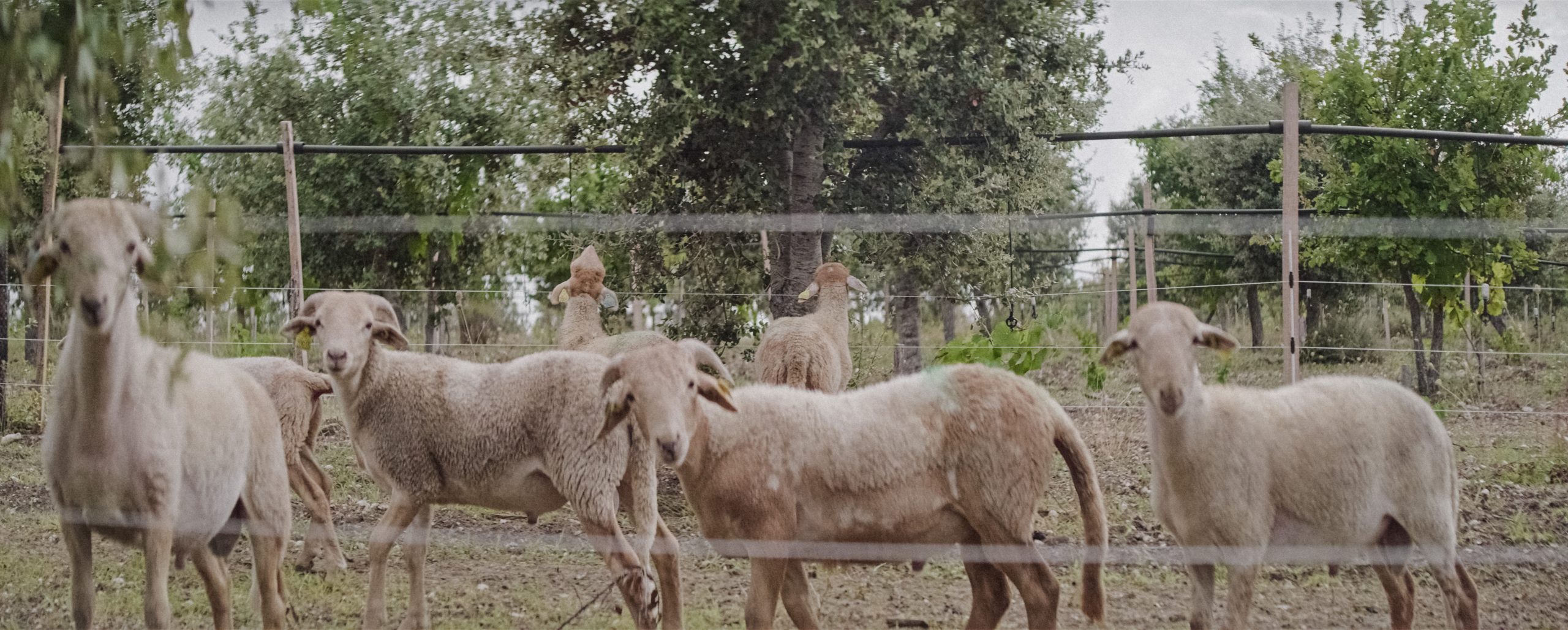
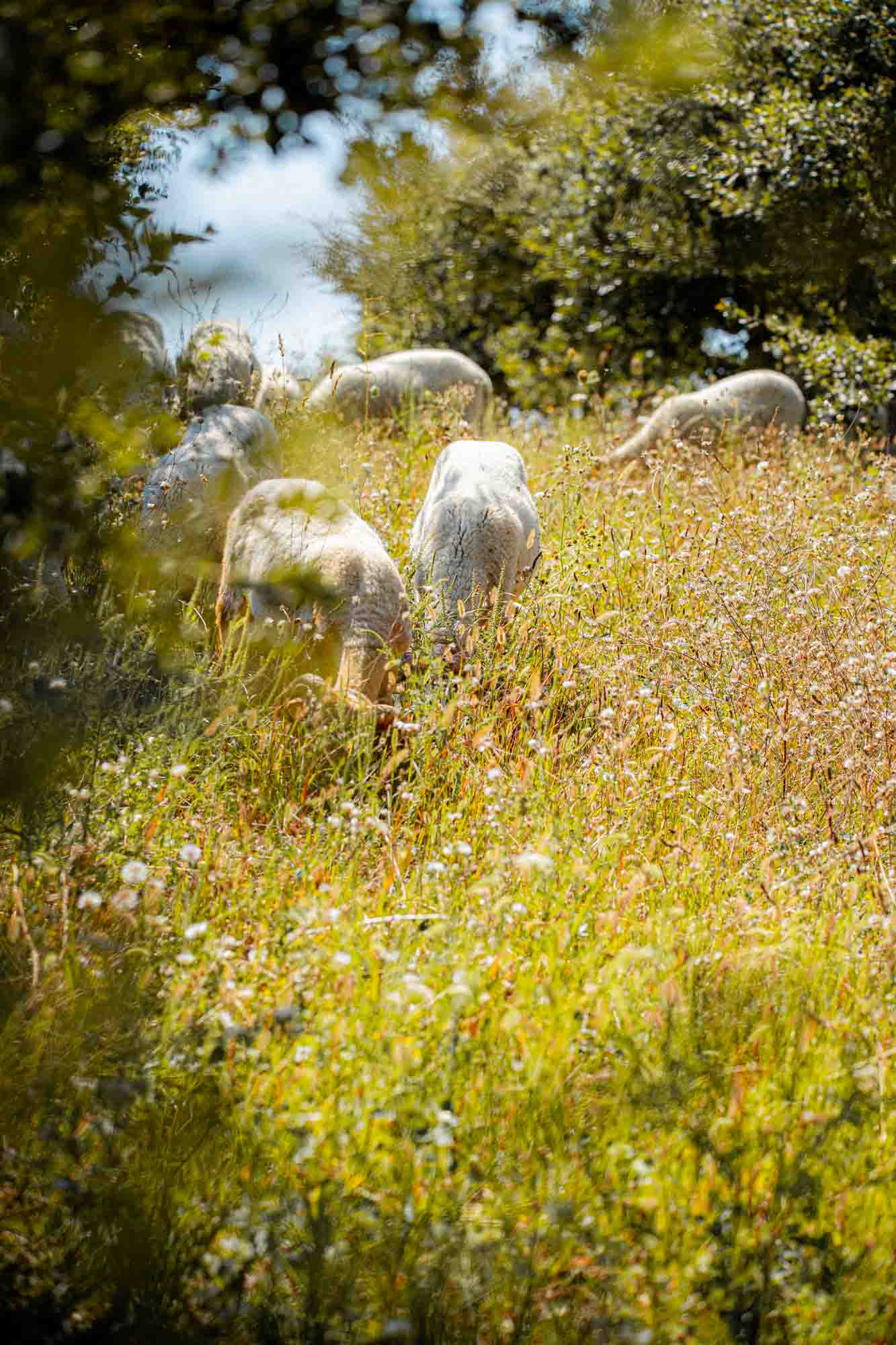
Raising sheep is a different craft, a complex one. It took nearly 20 years to implement pastoralism in the truffle orchards, but since 2022, it has been achieved.
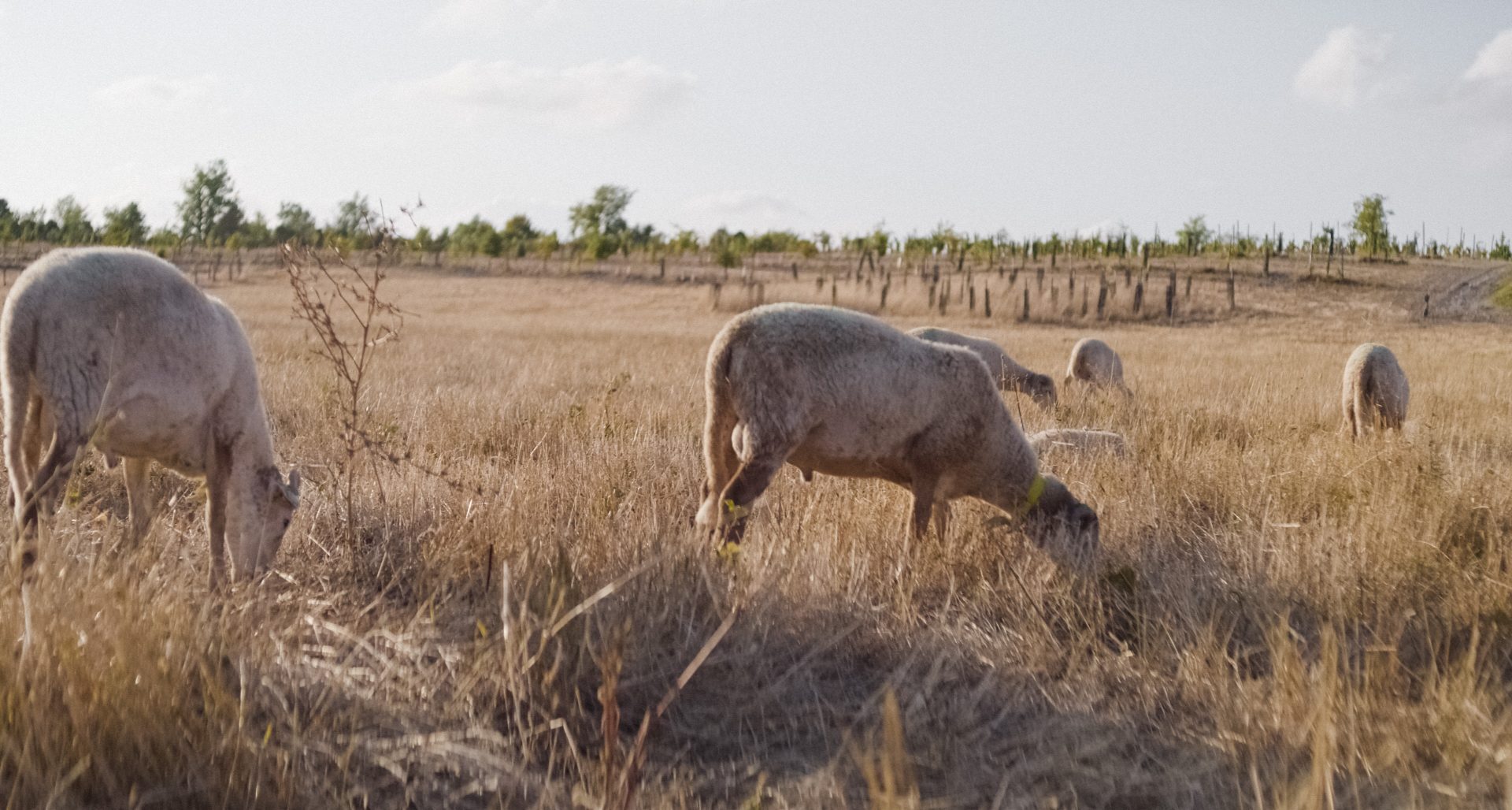
We have introduced a small flock of 26 young lambs under the oaks.
It took us some time, as we wanted a hardy lamb adapted to grazing in the truffle orchards, one that produces tender and juicy meat.
We wanted fresh, new grass every day for these lambs and, of course, no industrial feed.
In short, the impossible ideal—the 'five-legged sheep'!
After considering many options, we chose the Castillonnais lamb, a local breed from the Ariège Pyrenees—an exceptional and very rare lamb, with only 1,200 ewes and 40 rams registered in the genealogical record.
This hardy mountain breed, a resilient walker, is adapted to life in the open air and to the pastures of the unique flora found in the estate's truffle orchards.
Over the centuries, they have adapted to the wild by feeding on a natural diet, unlike 'modern' breeds selected to respond to high-protein industrial feed.
The whole family has come together for these dream lambs.
And we have used an innovative fencing system.
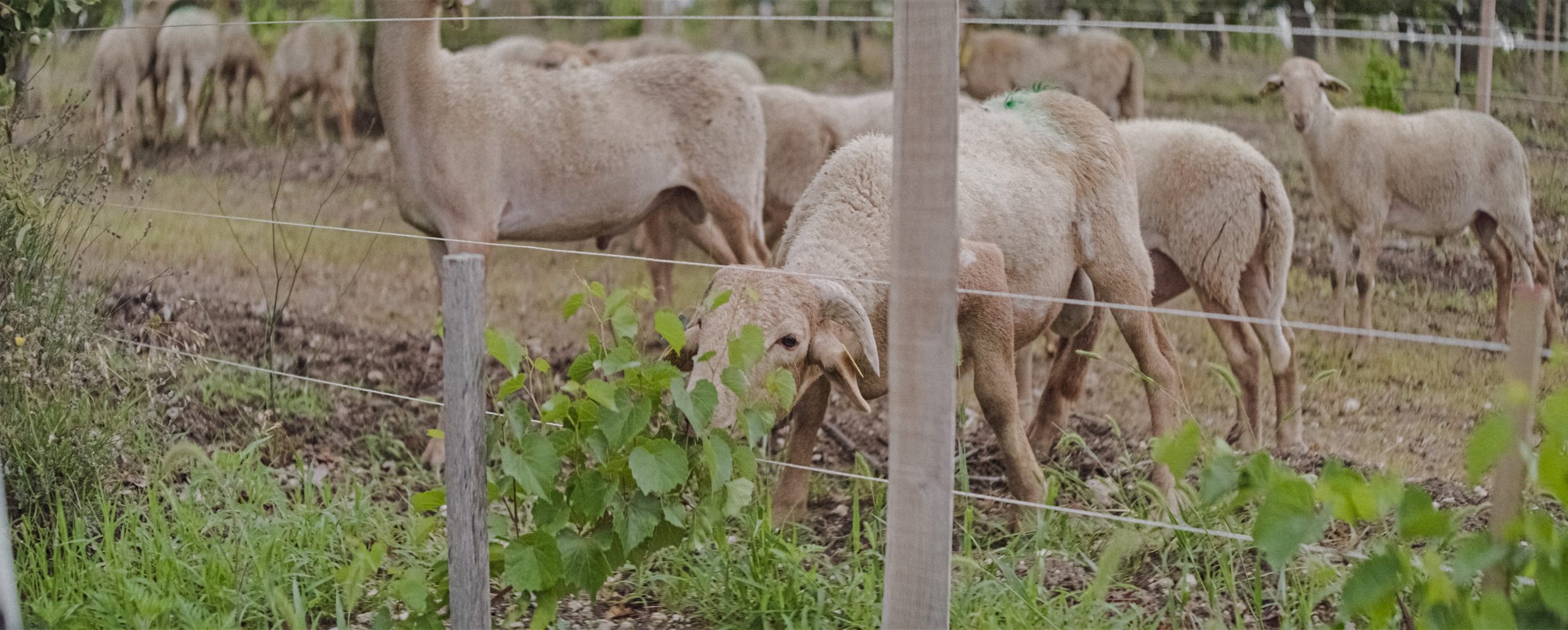
Louis-Dominique and Camille have implemented the 'active fencing' system with ultra-light fiberglass posts. This technique, imported from New Zealand, allows the fences to be moved very quickly.
Every day, Camille sets up new fences and moves the lambs to a different paddock so they have fresh grass daily: this is known as Dynamic Rotational Grazing (PTD).
Normally, 200 m² are allocated per sheep. With this technique, our lambs have over 10 hectares—more than 3,000 m² each to graze!
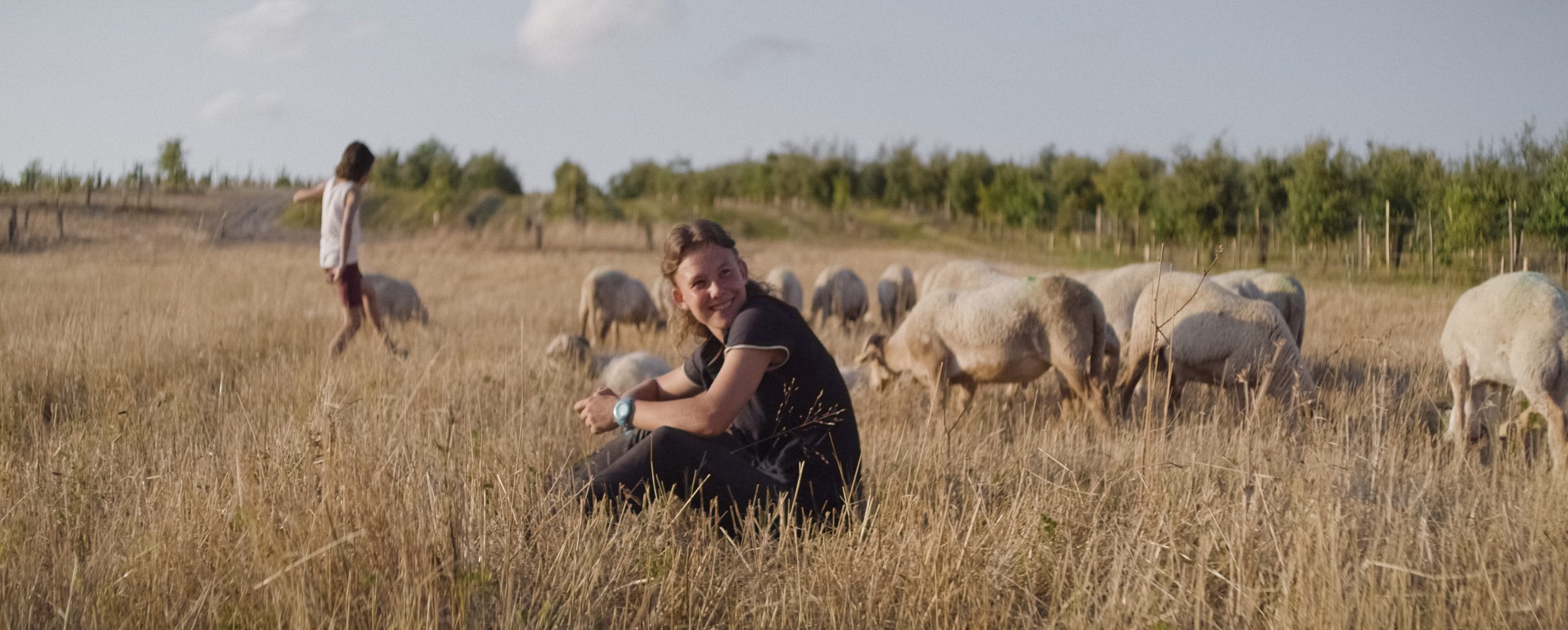
When animals graze too long in the same place, the grass struggles to grow back and the soil becomes compacted (and vice versa).
This is not good for the lambs and is very detrimental to truffles.
This is why, almost every day, Camille moves the lambs using the 'front wire – back wire' fencing technique. In this way, the lambs naturally move toward new pasture and cannot return to trample the previous one.
The grass is renewed daily, and the lambs eat only the best. They do not graze on their own waste, as they will not return to the same spot for at least three weeks, allowing the grass enough time to fully regrow.
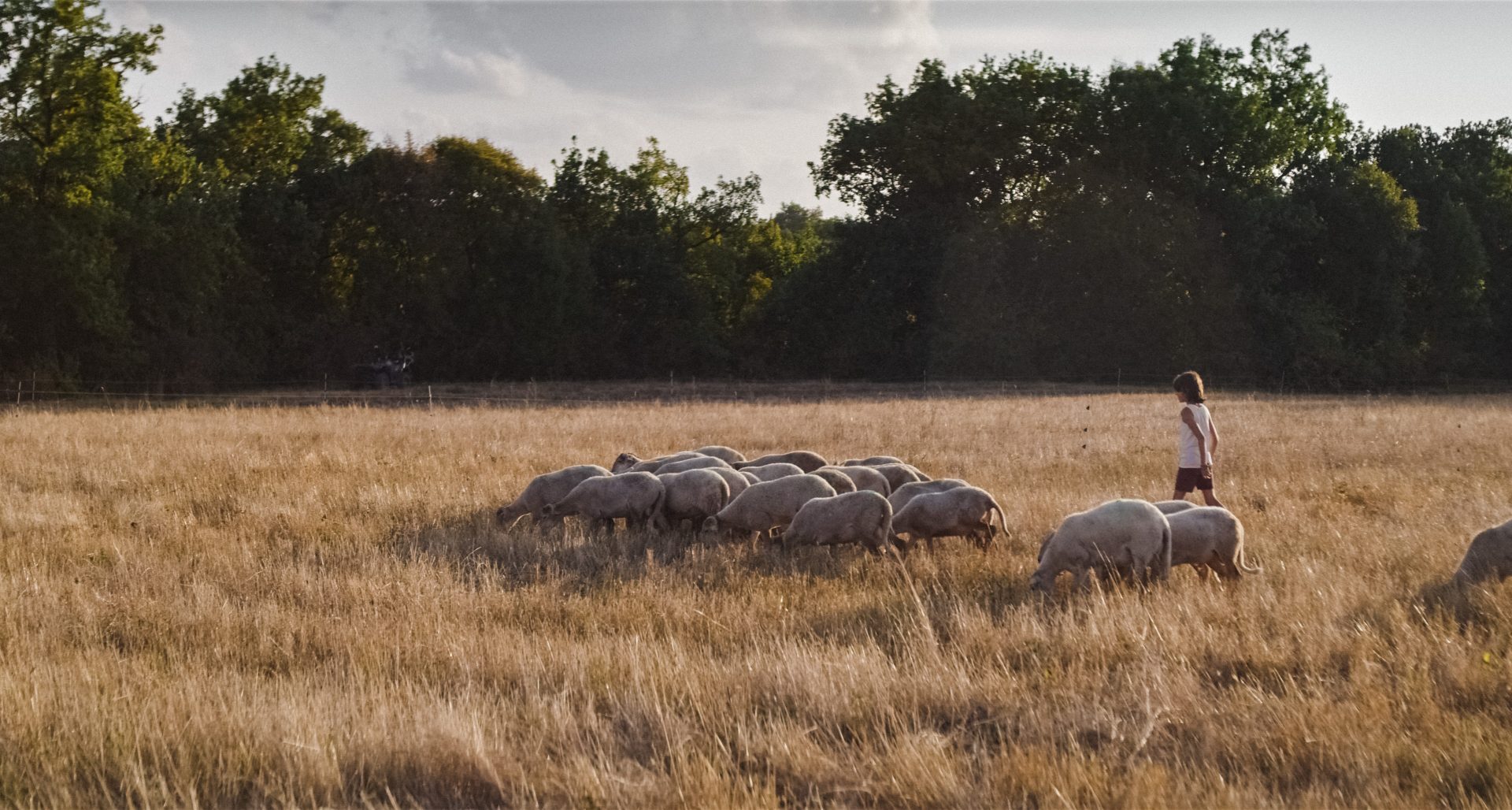
This ecological grazing technique ensures our lambs are thriving.
Thus, our 26 lambs graze day and night across 10 hectares, eating the leaves of truffle oaks, vine shoots (and grapes too!), some of the estate's organic grains, and drinking from the Source aux Loups.
During the three summer months, our animals never leave the truffle orchards (except when they escape into the woods!).
In addition to the truffle oak leaves, they feed on plants typical of our white Quercy limestone plateaus: wild thyme, fescue, cistus, ivy... while not disdaining a few acorns at the end of the season.
This natural and diverse diet gives the meat an incomparable flavor and juiciness.
We wanted to respect the well-being of our lambs until the very last moments of their lives. That is why we insist on accompanying them ourselves to the slaughterhouse in Villeneuve-sur-Lot, 45 minutes from our home. It is a small facility, the last in the Lot-et-Garonne, and is completely transparent: from the lairage to the animal's final moments, the entire procedure takes place under video surveillance.
We use the 'family slaughter' procedure; our lambs arrive the day before and enjoy a quiet paddock reserved for their final night.
The hens
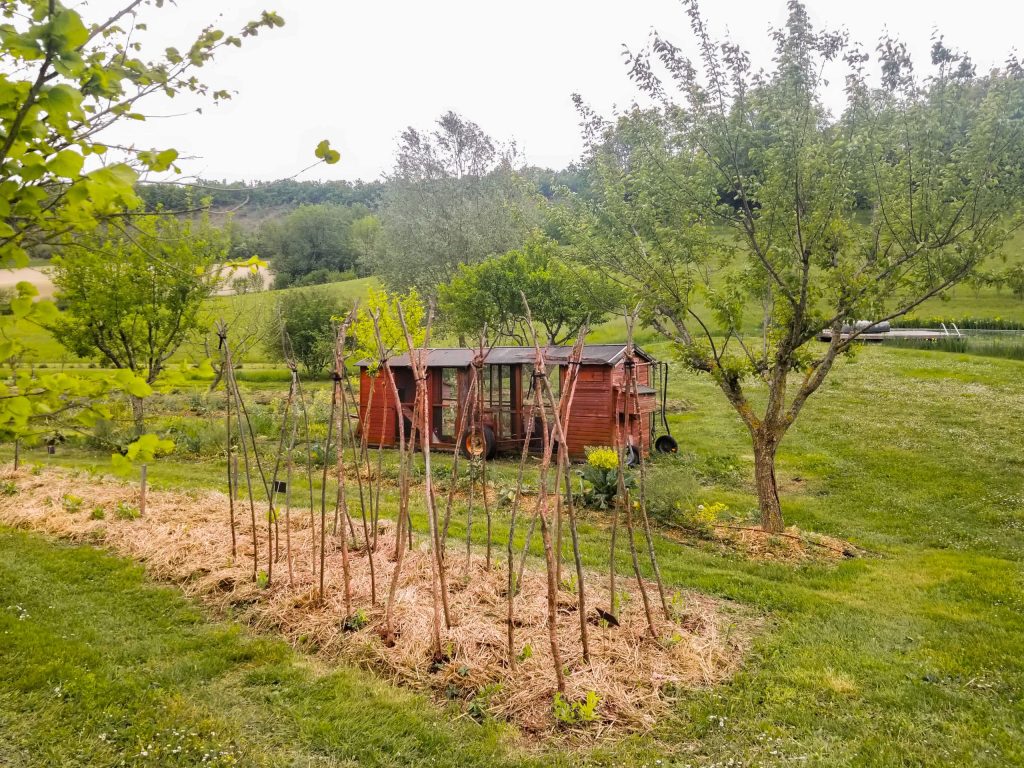
Our Caussade hens are an ancestral variety of black poultry from the Quercy. They are an essential element in the cultivation of our vegetable garden. By roaming the ground of the orchard-garden daily, aerating and enriching it with entirely natural fertilizers, they allow us to avoid any untimely intervention on our part. It is certainly a daily investment and commitment, requiring us to move the mobile coop and, of course, clean it perfectly. The comfort and quality of life of our hens demand it!
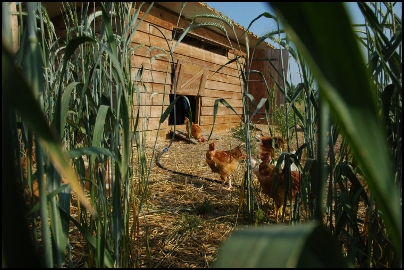
We also cherish them for the high quality of their eggs—with a tender, smooth white and an intense, flavorful yolk. The reason is simple: their daily diet of herbs, flowers, and seeds from the garden; as they scratch the soil, they find worms or insect larvae. And when necessary, they are supplemented with grains from our remarkable truffle wheat.
Our hens work constantly in our 'lazy man's' orchard-garden; they are vital to its success and, furthermore, essential for creating a succulent dish: the Gascon bacon egg (l'œuf au lard gascon).
The truffle dogs
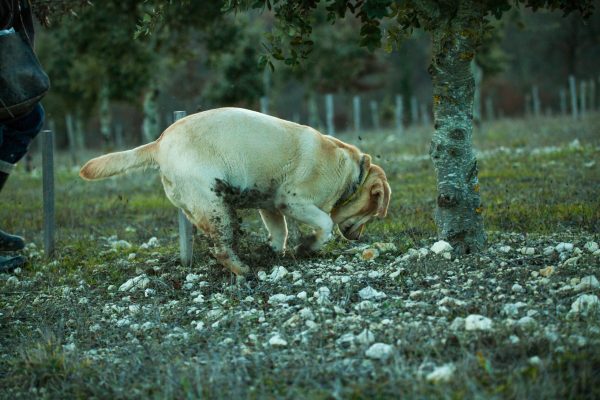
We spend a significant amount of time conducting multiple trials in our truffle orchards; we experiment with companion planting (lavender, vines, wheat, etc.), and we have spent years reflecting on pruning, tree spacing, and green manures (planting birdsfoot trefoil, sainfoin, etc.). We study soil work and grazing to achieve an exceptional quality of truffles year after year. Our truffle orchard is unique in France, but all these investments, commitments, and time spent would be in vain if we did not have our dogs to find our truffles, which remain invisible to us.

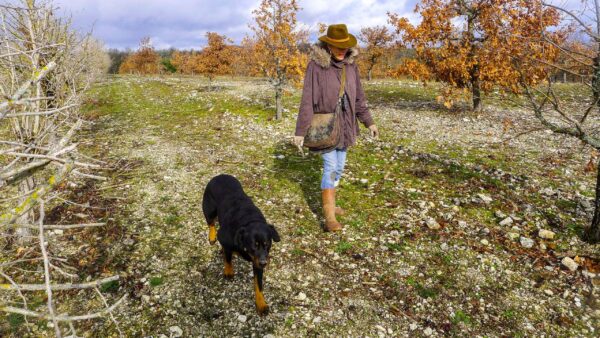
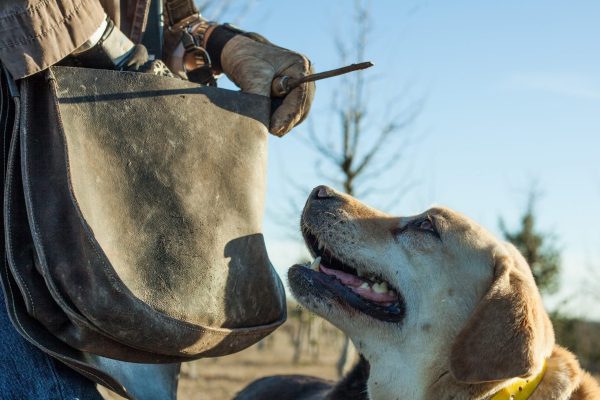
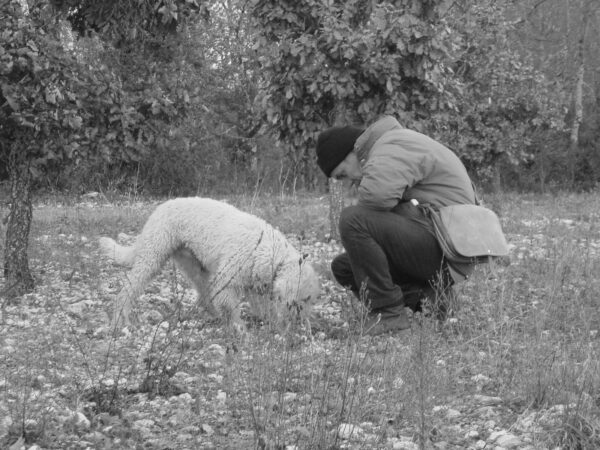
They are essential companions with whom we share a profound bond. To achieve this unique relationship, a long-term approach is vital. At the age of two or three, we begin our dogs' apprenticeship. It takes at least four years of training to teach them to seek ('caver') the truffle. They must scan the ground, scent it, locate the truffle, and scratch to uncover it without, of course, eating it. It is painstaking work that requires time, energy, and patience to achieve such osmosis with our dogs.
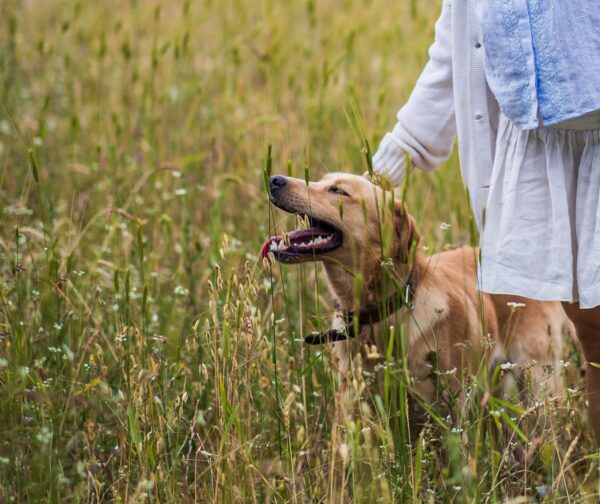
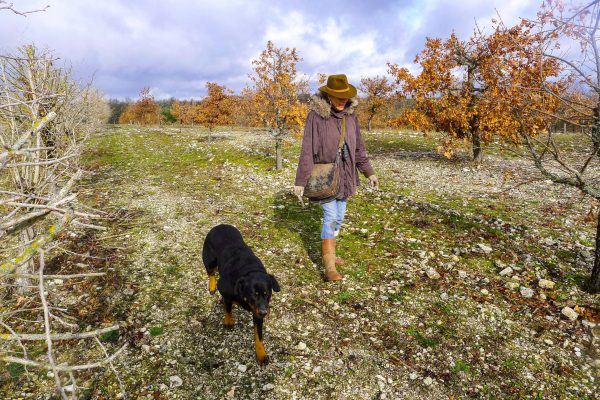
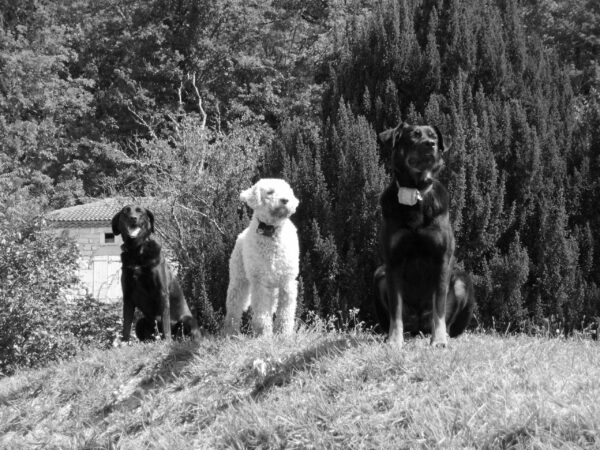
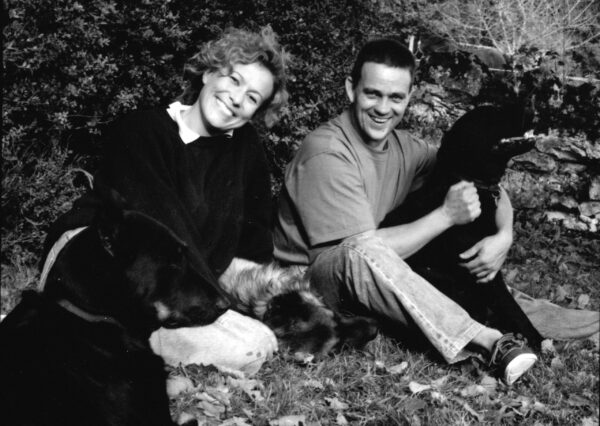
Today, Paulsen, his sister Persanne, and Marsanne, our truffle dogs, are our life and work companions, bringing us joy, recognition, and deep emotion. Dogs need a trusted master, often a single person, to accompany, guide, reward, and encourage them.
Pascale is their primary partner, in charge of their education, and develops an extraordinary and sensitive relationship with her dogs.
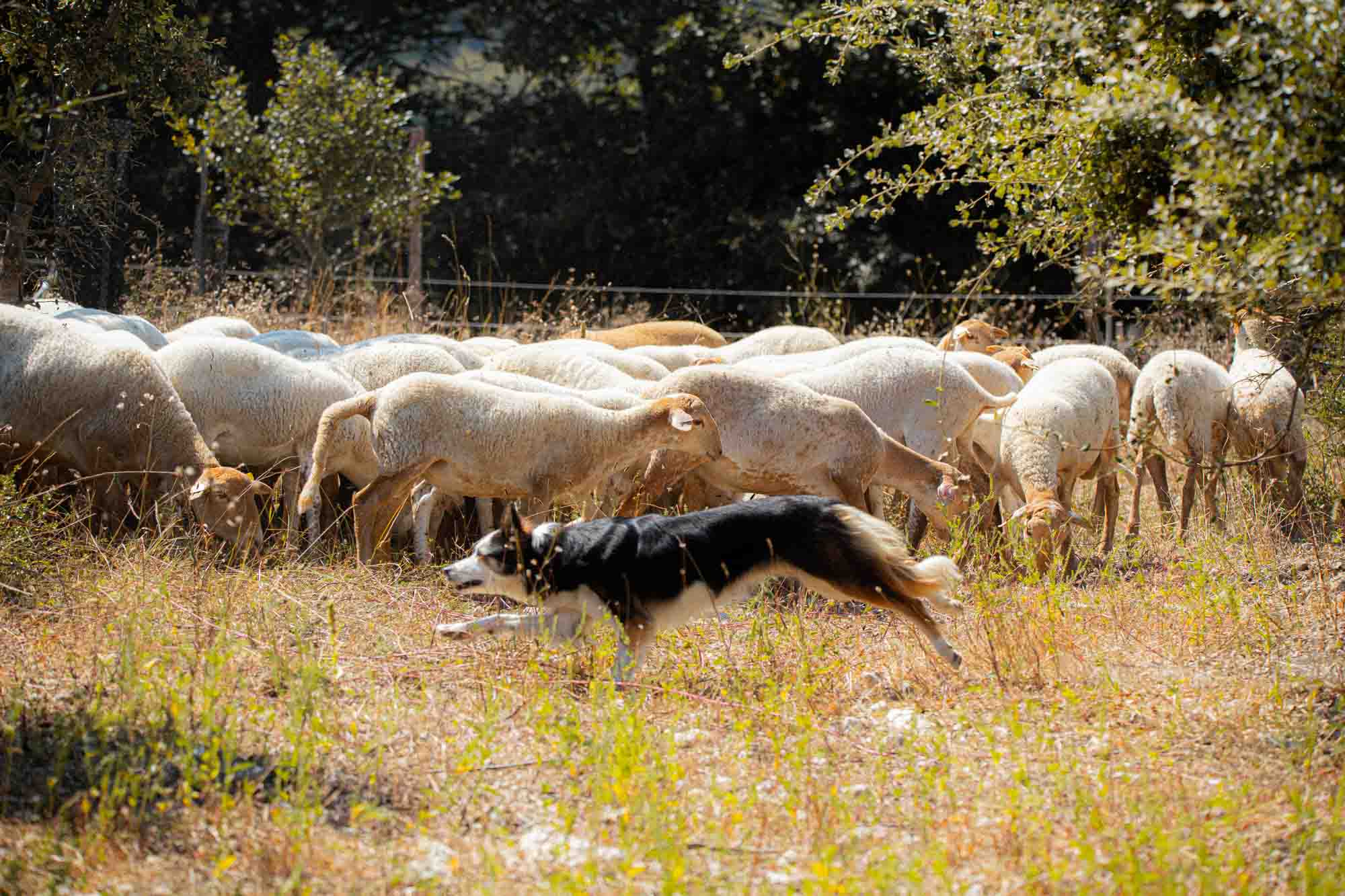
Camille looks after the lambs grazing in the truffle orchards daily, and Nel, her Irish Border Collie sheepdog, has become indispensable for guarding and driving the flock.