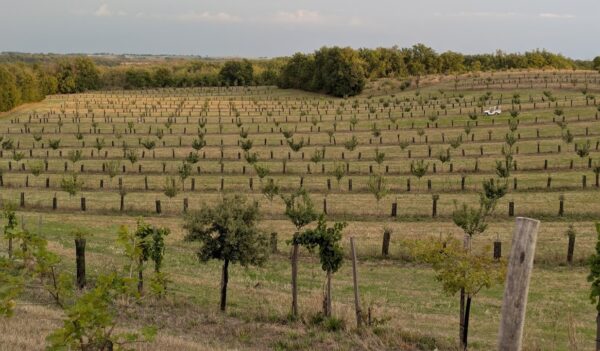


Le potager–verger
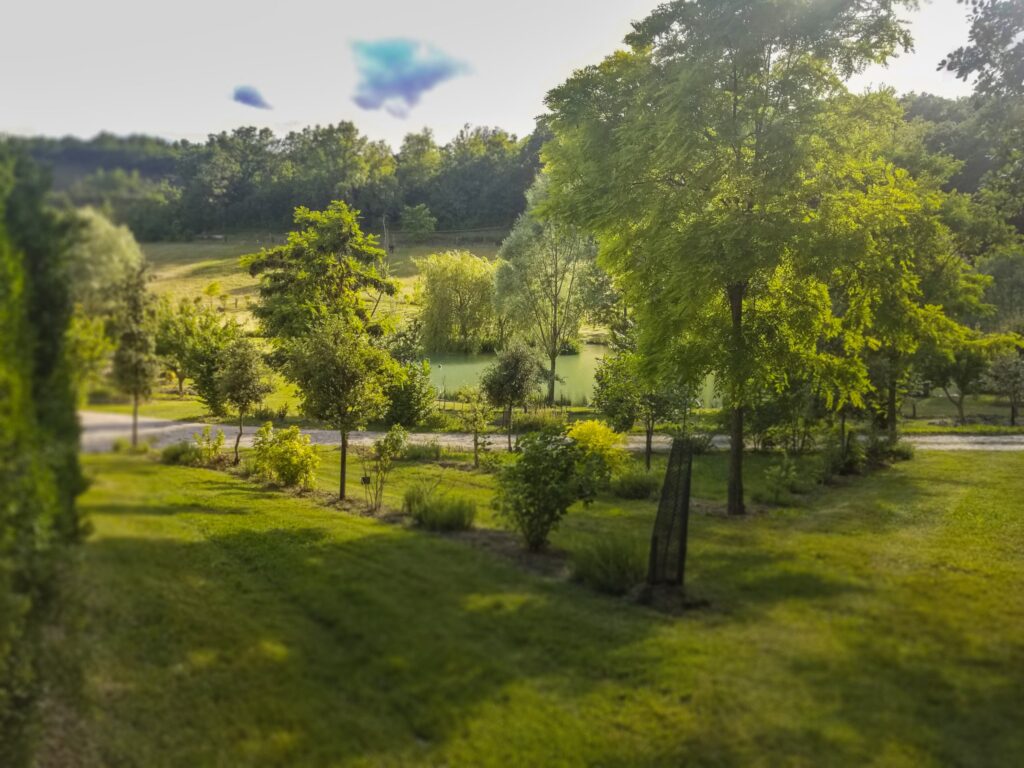
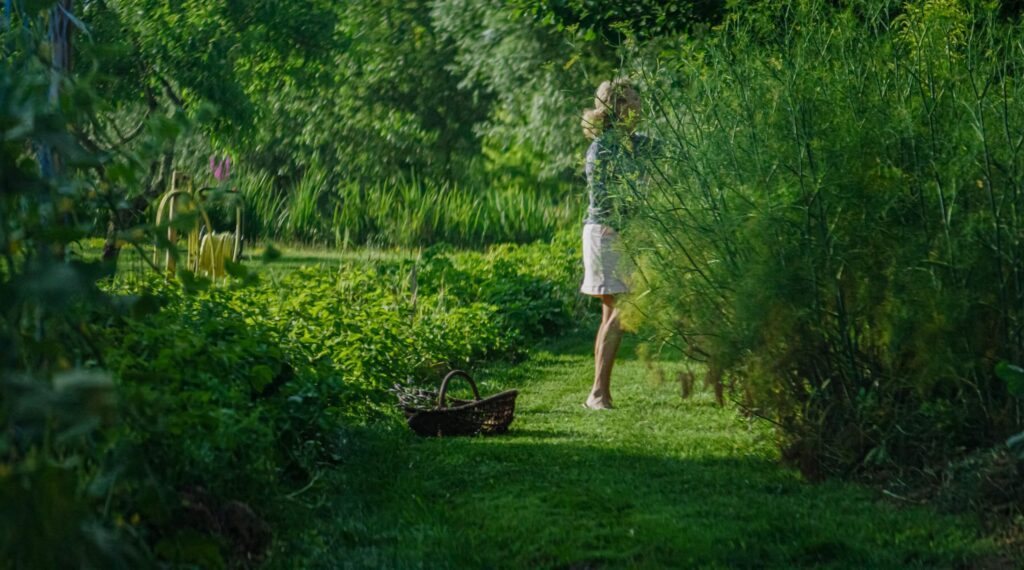
Nous avons conçu notre potager-verger en 2008
avec l'intention de créer un écosystème harmonieux, productif, autonome,
naturellement régénéré et respectueux de la nature et de tous ses habitants.
Ce n'est ni plus ni moins que ce que faisaient les anciens, avant les progrès de l'agriculture moderne.
Pourquoi choisir ce mode de culture ?
La raison en est simple : pour être en bonne santé !
Nous sommes convaincus que la santé passe par l'alimentation.
C'est pourquoi nous cherchons des aliments produits le plus naturellement possible.
Parce que nous n’avons pas trouvé de légumes même bio, qui répondent à nos exigences, nous avons développé au fil des années notre potager-verger.
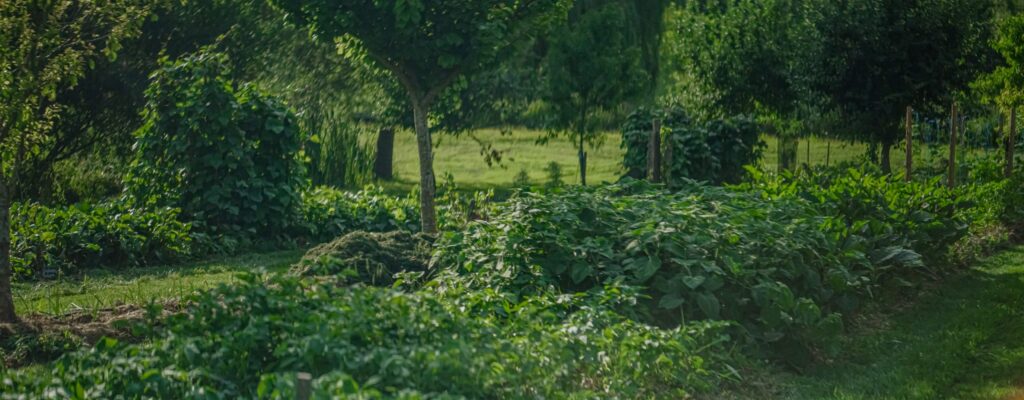
Pas de travail du sol
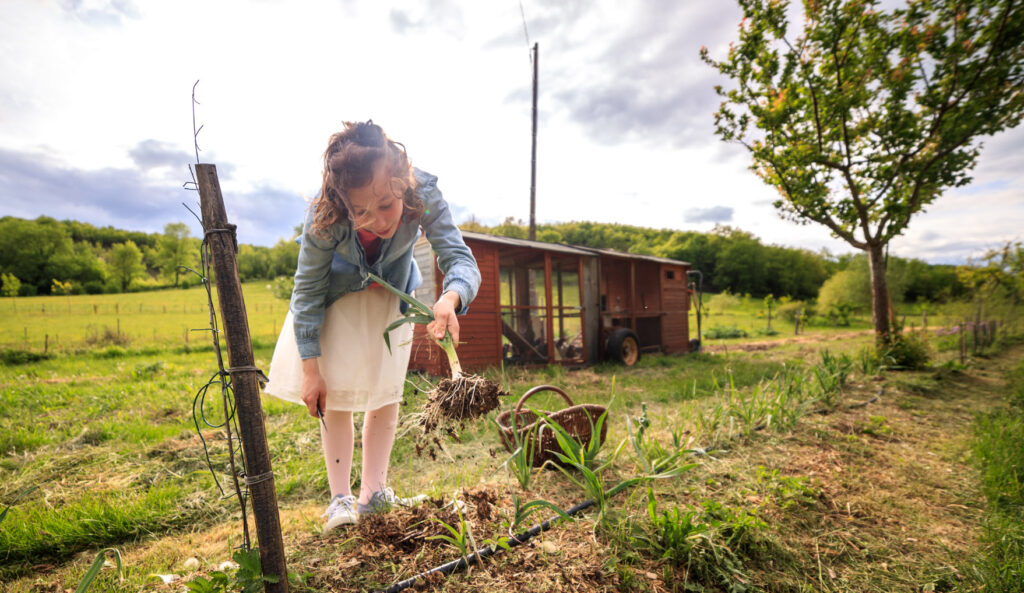
Nous ne déstructurons pas le sol en passant le motoculteur. Nous laissons les vers de terre travailler efficacement à aérer le sol. Et nous faisons passer nos poules dans le poulailler mobile sur les bandes potagères afin qu'elles fouillent le sol et apportent un engrais naturel.
Pas d'engrais chimique
Depuis des années, nous enrichissons le sol avec des purins d’orties et de consoude que nous fabriquons sur place, par macération des plantes fraiches. La terre est de plus en plus riche, agradée d’années en années.
Les bandes potagères
Elles sont régulièrement enrichies par le paillage, la tonte, le BRF, la cendre de la cheminée…
Pas de pesticides ni aucun intrants chimiques
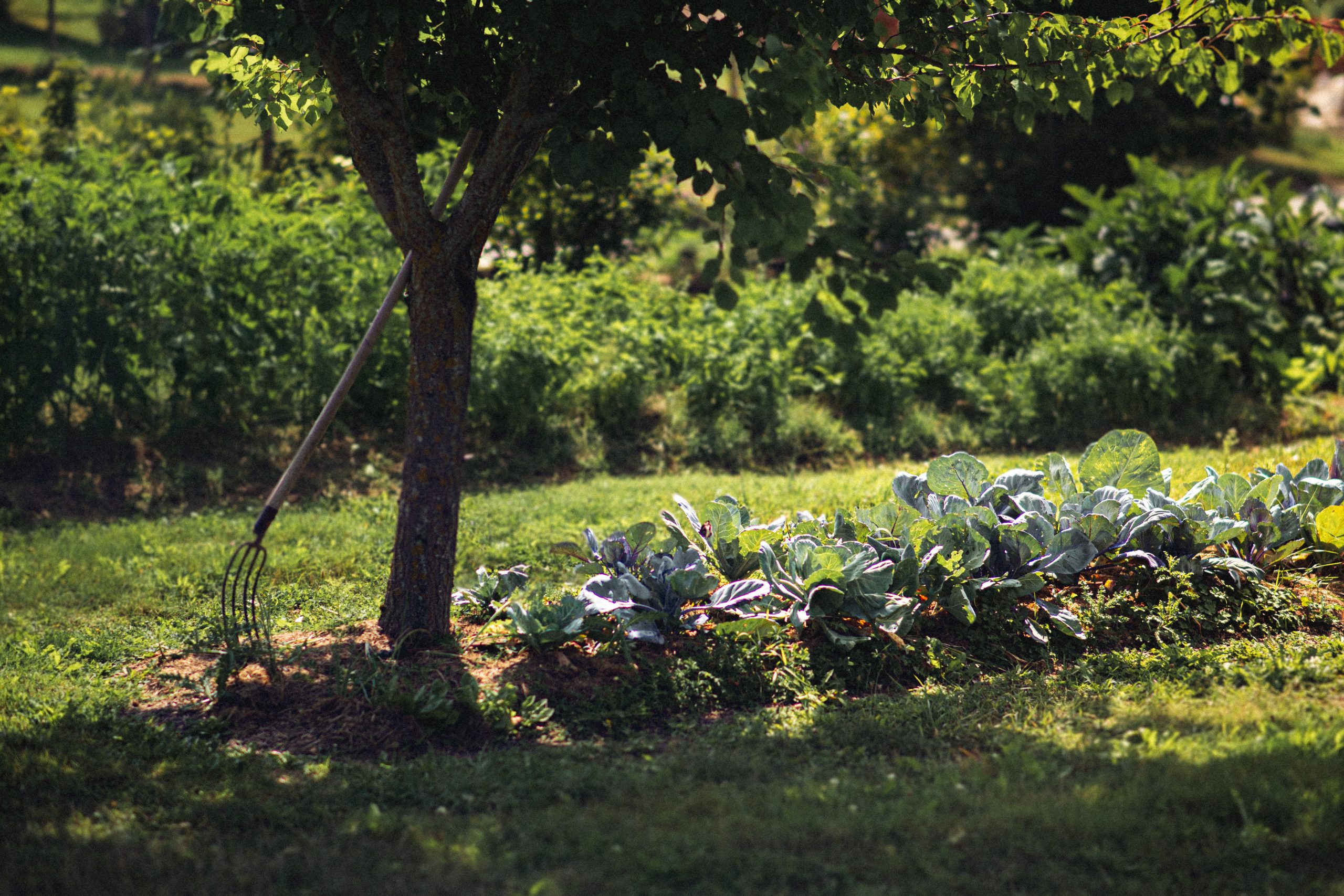
Pour ce faire, nous privilégions la complantation, en mélangeant les espèces et en plantant des arbres fruitiers dans les rangs de légumes. Cette diversité de variétés favorise l'équilibre des cultures qui se protègent les unes les autres. C'est l'inverse de la monoculture qui induit les pandémies. En mélangeant les espèces, nos légumes ne sont pas malades. Il n'y a pas besoin de les traiter.
Des cultures de plein champs
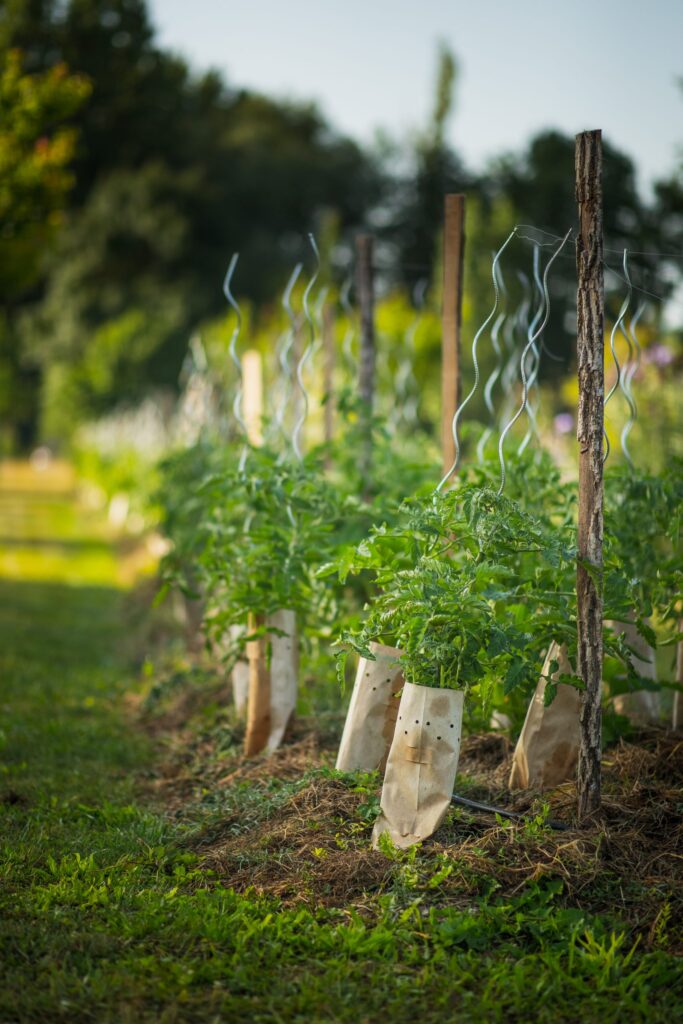
(pas de serres avec hydroponie et substrats), les légumes profitent de la lumière naturelle, du soleil du Quercy et sont arrosés à l’eau de pluie ou à l’eau de source grâce à un système de gouttes à gouttes.
Les légumes vont chercher eux-mêmes leurs nutriments en profondeur, dans un sol vivant. Cela donne des légumes et des fruits plein de saveurs et de vitamines.
Vous retrouverez ces légumes tous les soirs à la table du domaine.
Nous cultivons plus de 150 variétés, sélectionnées au fil du temps pour leur goût et leur résistance aux maladies.
Nous privilégions ainsi les variétés rustiques, non modifiées génétiquement.
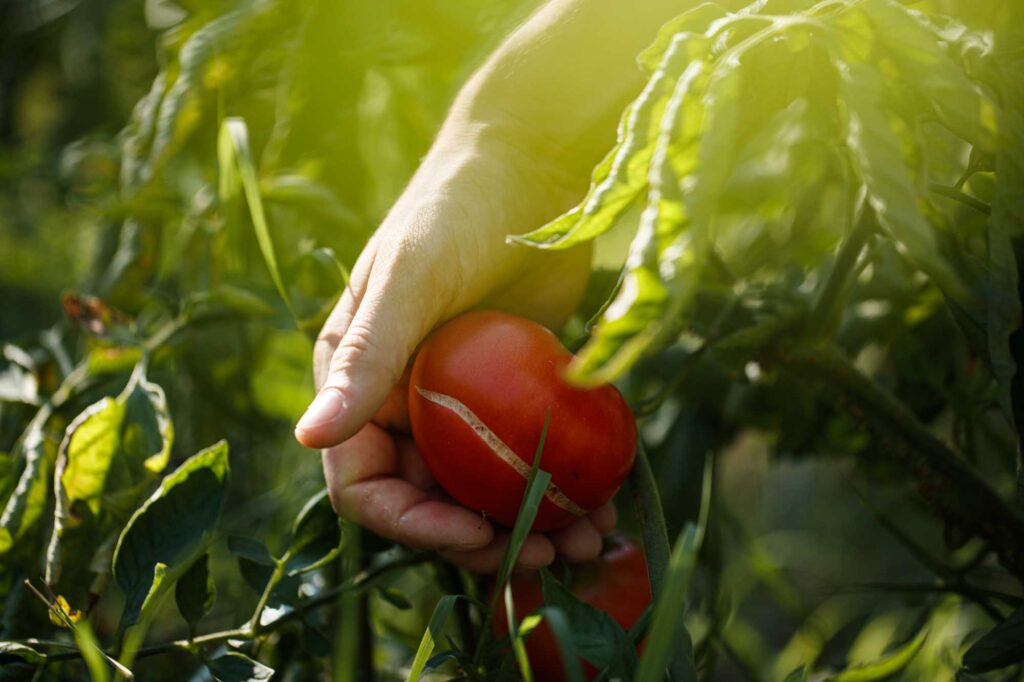
Elles ne donnent pas des légumes parfaits mais des légumes qui ont du goût et donc des nutriments, indispensables pour notre organisme.
Il ne suffit pas de vouloir planter de la Cœur de Bœuf pour avoir des tomates juteuses et goûteuses à souhait.
Encore faut-il trouver la bonne souche de graines qui donne cette texture unique.
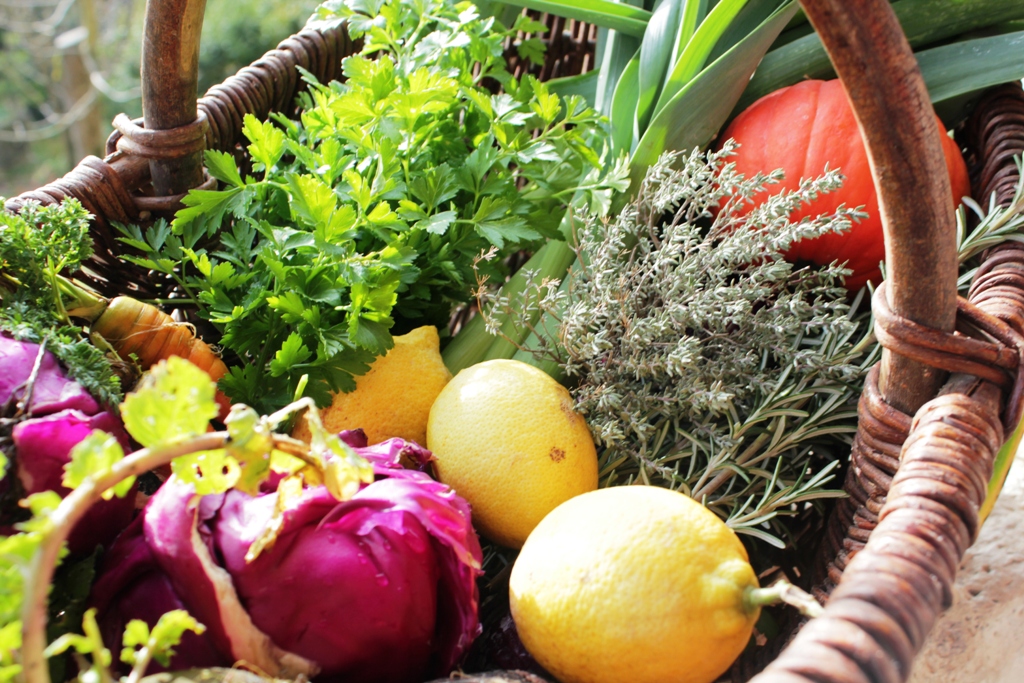
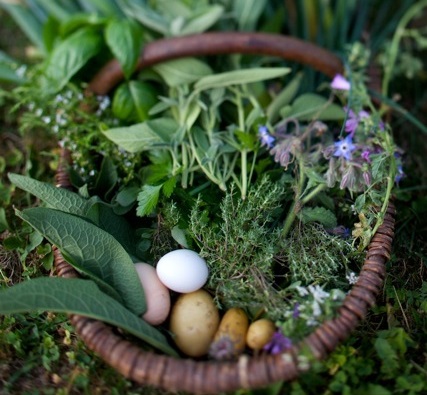
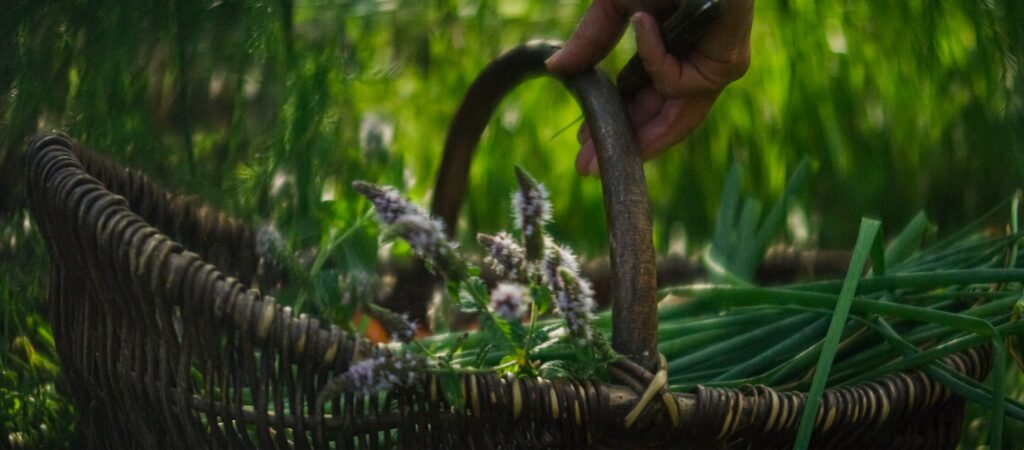
Quant aux herbes aromatiques et médicinales, elles ont une place de choix.
Car non seulement, elles relèvent notre cuisine, mais ont des vertus admirables pour notre santé.
Notre potager ne prend pas de vacances en hiver, il est actif toute l'année !
Endives et cardons apparaissent comme les différentes courges ou choux qui enrichiront nos soupes réconfortantes.
Dès les premiers frimas, c'est aussi le moment où nous " nourrissons" le potager avec un compost issu de la tonte et du bois raméal fragmenté (BRF) .
Avec ces « engrais » végétaux, nous amendons naturellement le potager en carbone, en azote et la terre s’enrichit année après année.
Au domaine, tout est utilisé, recyclé, récupéré, dans un cercle vertueux permanent.
À potager vivant, cuisine vivante !
Laisser faire la nature, explorer ses expressions successives, se laisser surprendre et privilégier le sain et le goût.
Sans cesse !

Le vignoble forestier
Une autre aventure voit le jour en 2016 : la naissance du « vignoble » de Saint-Géry.
15 000 pieds de vigne sont plantés sur les plateaux calcaires entre blé et truffiers sous l’œil vigilant et passionné de Louis-Dominique, notre fils qui poursuit ses études en œnologie.
Cette nouvelle expérience s’appuie sur deux fondamentaux des cultures du domaine : l’agroforesterie qui nous tient tant à cœur.
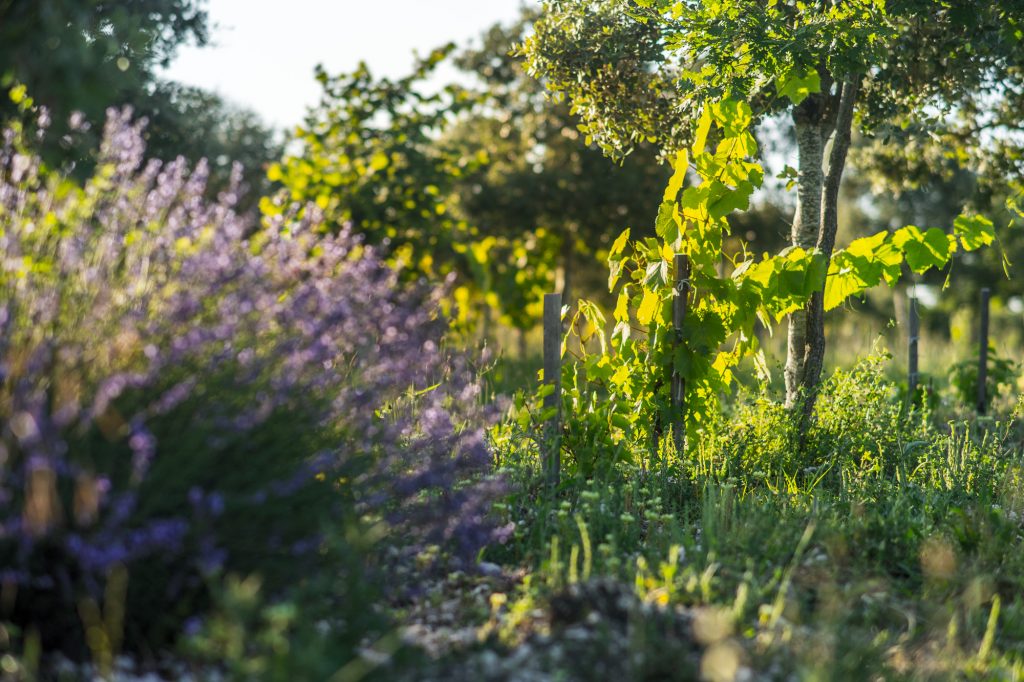
Car la vigne est une liane qui a pour but de vivre en symbiose avec un arbre. Ainsi, nous la remettons dans son milieu naturel en nous servant de l'arbre comme d'un tuteur.
Et la complantation : c'est le principe de mélanger les cultures . Nous avons planté 13 cépages en rouge et 15 en blanc en association avec d’autres cultures : truffiers, pruniers, céréales, lavande.
Objectifs
- Avoir un sol vivant par la biodiversité des cultures
- Aucun traitement, aucun intrant chimique dans le sol
- Pas de labour, pas de travail du sol, on aggrade les sols en préservant toutes les strates de vers de terre (accroissement de la biomasse), tous les champignons aériens et souterrains qui contribuent à l’équilibre des sols.
- Désherbage mécanique à l’inter cep
- Développement de la flore sauvage ( sainfoin, millepertuis, lotier, camomille, orchidées sauvages, marguerites, coquelicots …) et par extension,
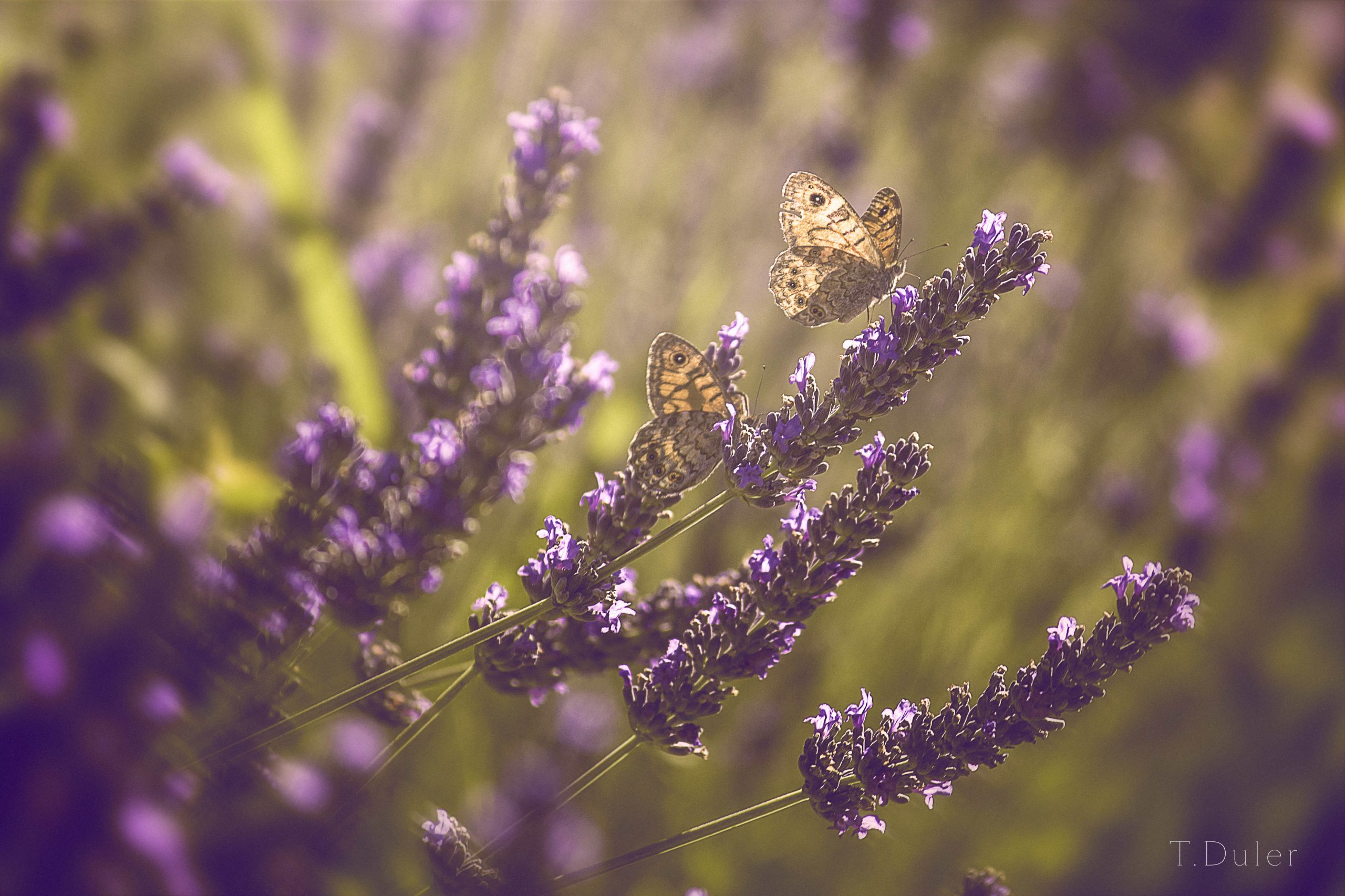
- Prolifération de papillons de toutes les couleurs et des abeilles.
D’ailleurs, nous avons installé des ruches en bordure de champs et nous continuons chaque année à planter des lavandes.
Et puis, les lièvres, les chevreuils et les oiseaux ne s’y trompent pas ! Ils préfèrent notre biotope à la monoculture de notre voisinage !
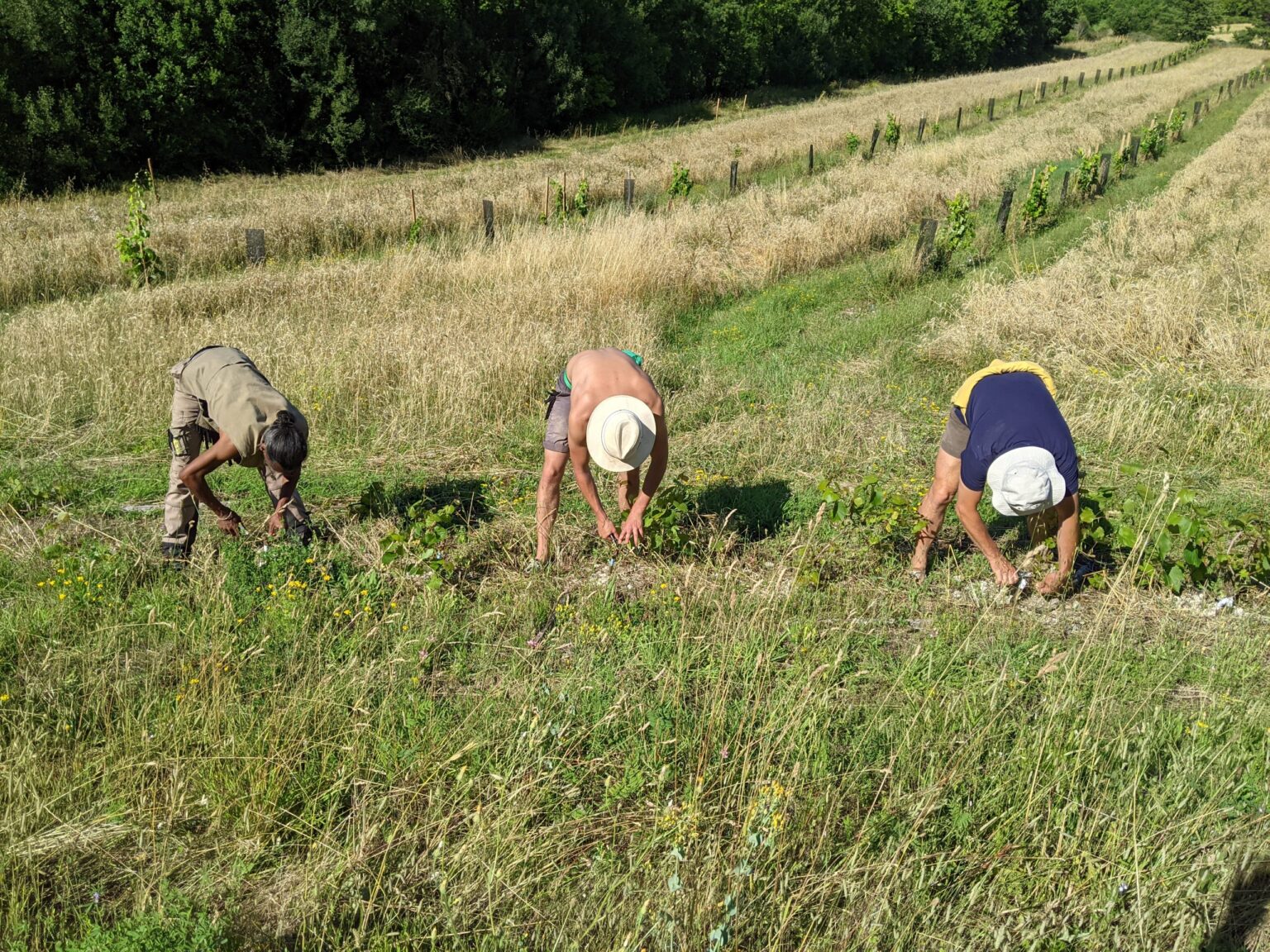
Notre procédé de greffage en place est plus long et plus coûteux qui si nous achetions le plan greffé chez le pépiniériste.
Il consiste à greffer le cépage sur des porte-greffes qui sont déjà implantés dans le sol depuis quelques années,
contrairement à la méthode classique où le porte-greffe et le cépage sont associés chez les pépiniéristes dès la première année.
Mais il permet de favoriser le système racinaire de la vigne et donc de pallier les conditions de stress hydrique.
Notre méthode de taille douce en gobelet haut est respectueuse des flux de sèves.
La vigne est conduite sur échalas, grands piquets en bois qui servent de tuteurs et de guide avant que la vigne n'arrive jusqu'à l'arbre.
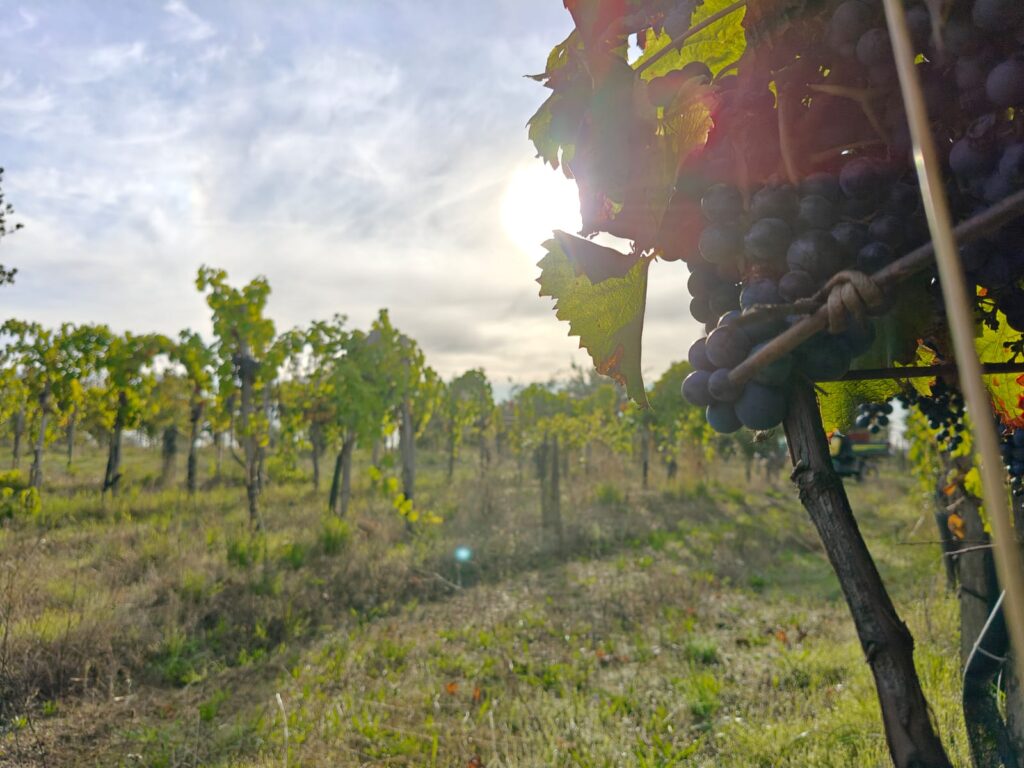
Cette méthode de taille, certes chronophage, permet aux pieds de conserver de l’énergie pour se concentrer sur ses défenses immunitaires.
En somme, nous mettons en place par l’intermédiaire de la taille douce au mois de mars, toutes les chances de notre côté pour favoriser les défenses naturelles de la vigne et ainsi la possibilité de limiter considérablement les traitements.
Le blé truffier
Depuis 2007, nous cultivons notre blé en semis direct, au milieu des chênes truffiers et de la végétation autochtone, sans labour, avec un couvert permanent, sur un sol protégé des pluies et du vent, riche en biodiversité.
Cette flore indigène, à la fois « préserve » le blé des maladies, mais aussi entre en concurrence avec lui, l’obligeant à aller chercher sa nourriture en profondeur. C’est ce qui explique le goût incroyable de notre blé truffier.
Ce blé ne reçoit aucun apport extérieur, engrais ou autre, les rendements sont de l’ordre de 5 quintaux hectare.
Dans la Beauce, en conventionnel, ce sont environ 80 quintaux, soit 15 fois plus.
Le goût de notre farine est inimitable.

Nous avons commencé à faire notre farine avec un moulin artisanal, construit en bois et muni d’une bluterie (tamis à farine) permettant de trier la farine et de séparer le son du petit son. Il était équipé d’une meule en granit naturel qui permettait une mouture très fine sans échauffer la farine.
Et, puis en 2019, nous avons réalisé un rêve de plus de 10 ans : acquérir un moulin Astréïa, la Rolls-Royce des moulins à meule de pierre.
La meule est en granit de Sidobre, dans le Tarn, proche de chez nous.
Ce moulin n’écrase pas le grain, mais le déroule pour le débarrasser de son enveloppe, offrant ainsi une farine « parfaite » : digeste et nutritive, notre farine de blé truffier.
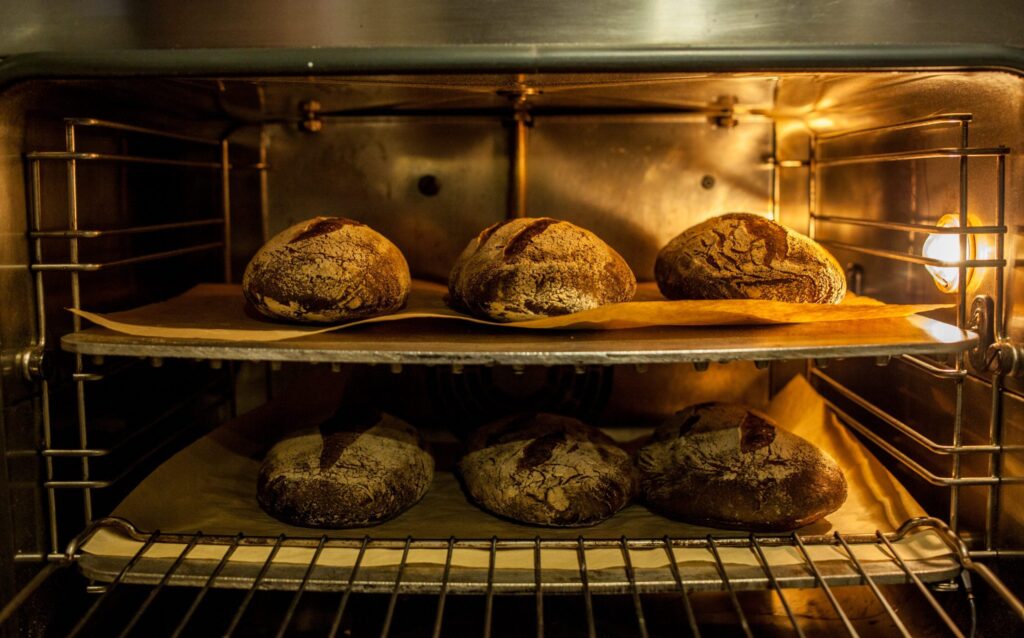
C'est avec cette farine que nous élaborons nos pains au levain indigène qui développent des arômes variés de pain d’épices et de miel.
Les cueillettes sauvages
À la fois convaincu de la vertu des plantes et de l’impact de l’alimentation sur notre santé,
chacune de nos sorties sur le domaine apporte son lot de découvertes qui soigne nos maux quotidiens, agrémente notre cuisine et lui apporte une réelle identité.
Être en forme, plus résistant, affronter des maux quotidiens grâce à toutes ces plantes aux merveilleuses vertus, que nous avons sous nos fenêtres et dans nos champs !
Le millepertuis illumine la truffière au mois de juin, cueillis au solstice d’été, il capte la chaleur du soleil.
Il peut s’appliquer directement sur la peau, aussi bien en huile qu’en lotion.
Ses composants favorisent la cicatrisation des plaies, des brûlures et des blessures cutanées.
Tant d’autres plantes sont bénéfiques à notre santé, du pourpier sauvage au plantain, en passant par les fleurs d’acacias et ou les fleurs de baies de sureau,...
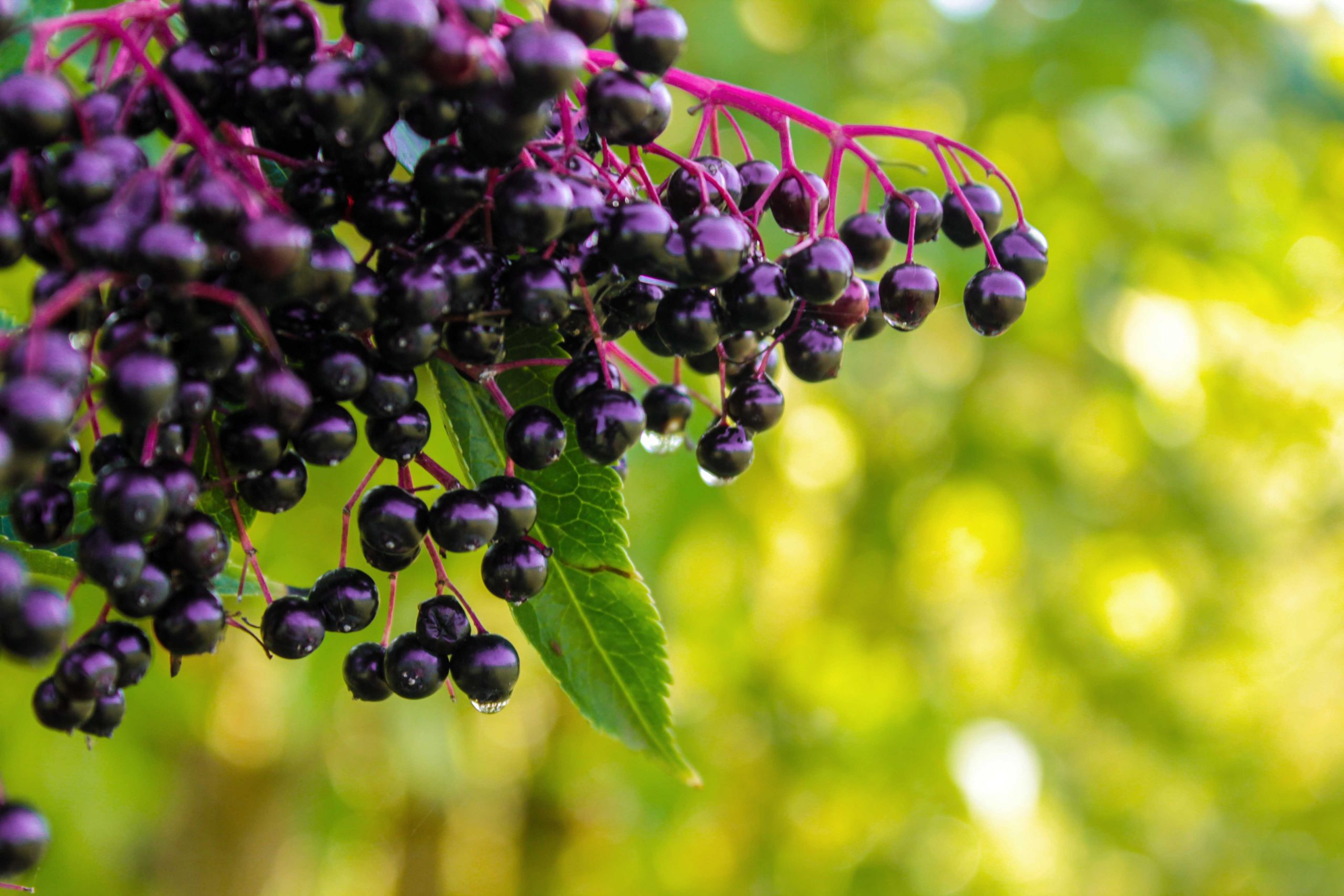
Certes succulentes en beignets ou associées à la rhubarbe, les baies de sureau donnent une délicate confiture.
Mais le sureau est aussi connu depuis longtemps pour ses vertus curatives.
Il contient des vitamines et des antioxydants précieux pour notre organisme.
La mauve, la chicorée sauvage ou les pâquerettes ont des vertus extraordinaires, souvent peu connues qui aident notre corps à aller mieux en éliminant certaines toxines de notre organisme.
Connaissez-vous la Reine des Prés ?
Elle était considérée comme la fleur des champs la plus précieuse car elle guérissait de beaucoup de maux et de douleurs.
Plus tard, on a découvert que cette plante contenait de l'acide salicylique en grande quantité.
C'est comme cela qu'est née la véritable aspirine, avant qu'on la remplace par des molécules de synthèse.
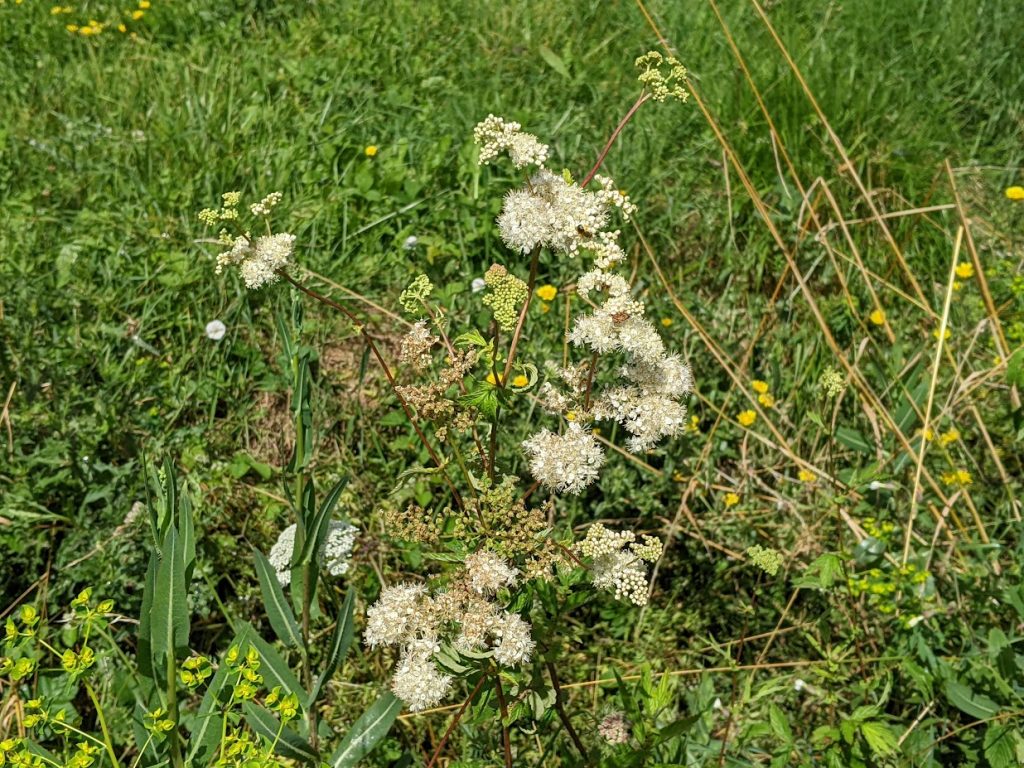
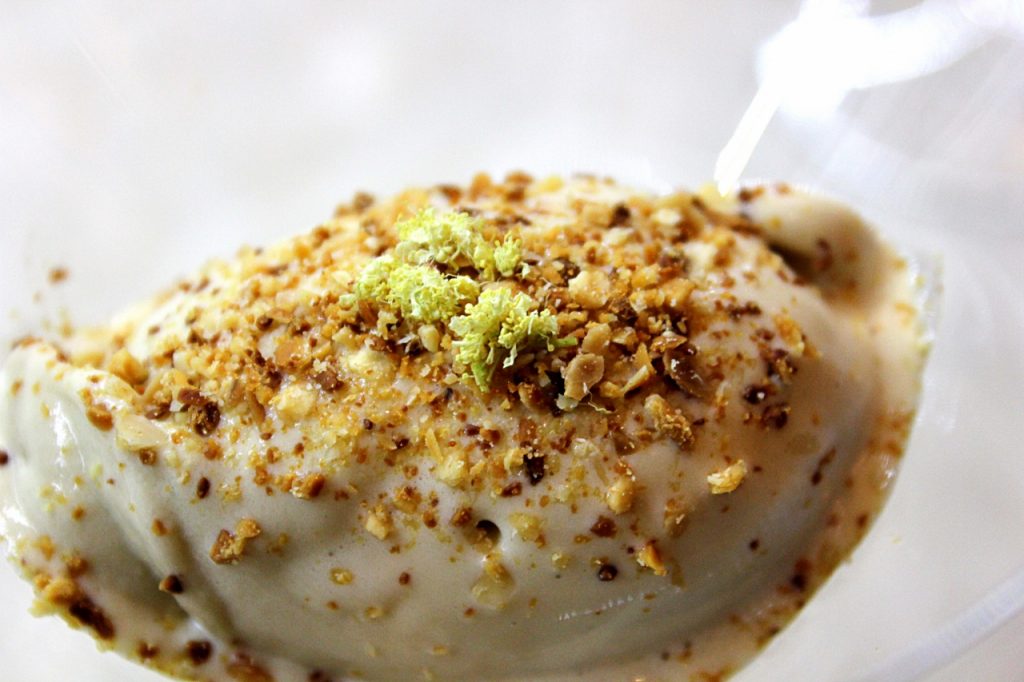
Nous la cueillons à la fin du printemps quand ses fleurs forment un grand panache blanc et odorant.
Et nous l'utilisons pour confectionner une délicieuse glace, notre "aspirine ice-cream".
Fin juillet, les champs deviennent bleus ! C'est la période de floraison de la chicorée sauvage.
Puis c'est au tour de la mauve d'embellir les champs. Nous utilisons les feuilles broyées contre les piqures d'insectes.
Les fruits sauvages sont très savoureux.
Nous cueillons en juillet les 3 variétés de prunes qui poussent dans les taillis et en bord de champs, les rouges, les violacés et les jaunes.
La récolte est très longue car les fruits sont petits, mais l'investissement en faut la chandelle ! Nos confitures sont délicieuses !
Au printemps, les respounchous, ce tamier qui s’accroche aux tiges de notre blé et ressemble un peu aux asperges sauvages, sont absolument délicieux dans des œufs brouillés.
Et bien sûr les champignons comme l’amanite solitaire, la clavaire dorée et les giroles, si goûteuses en poêlée.
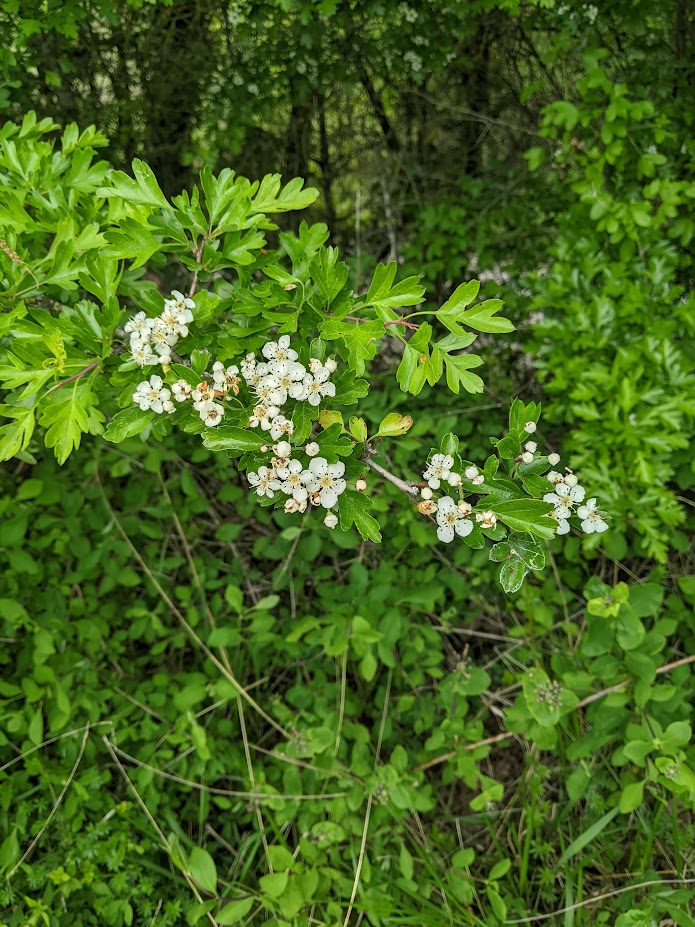
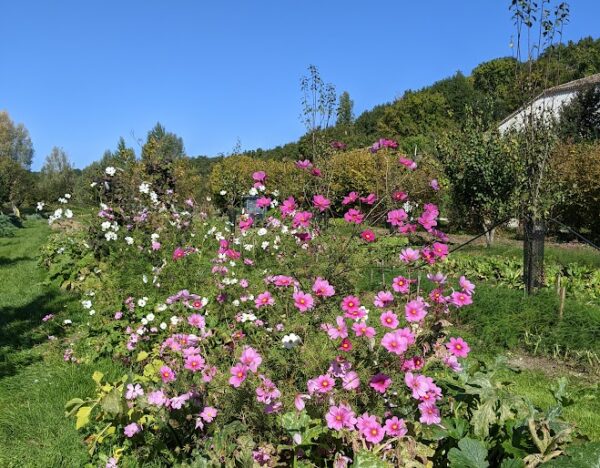
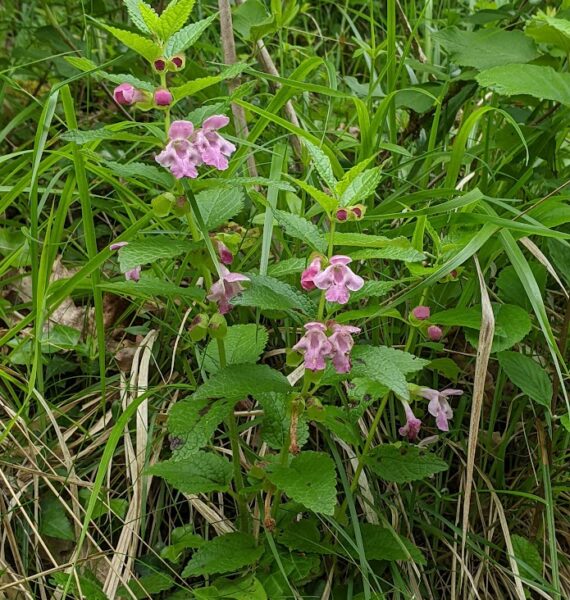
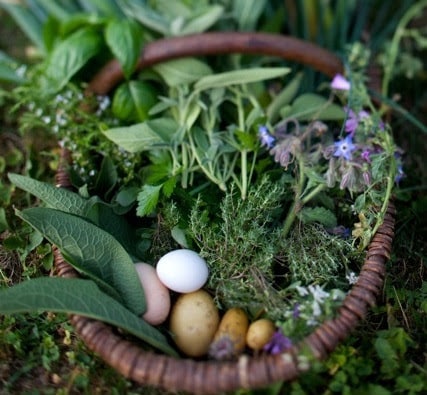
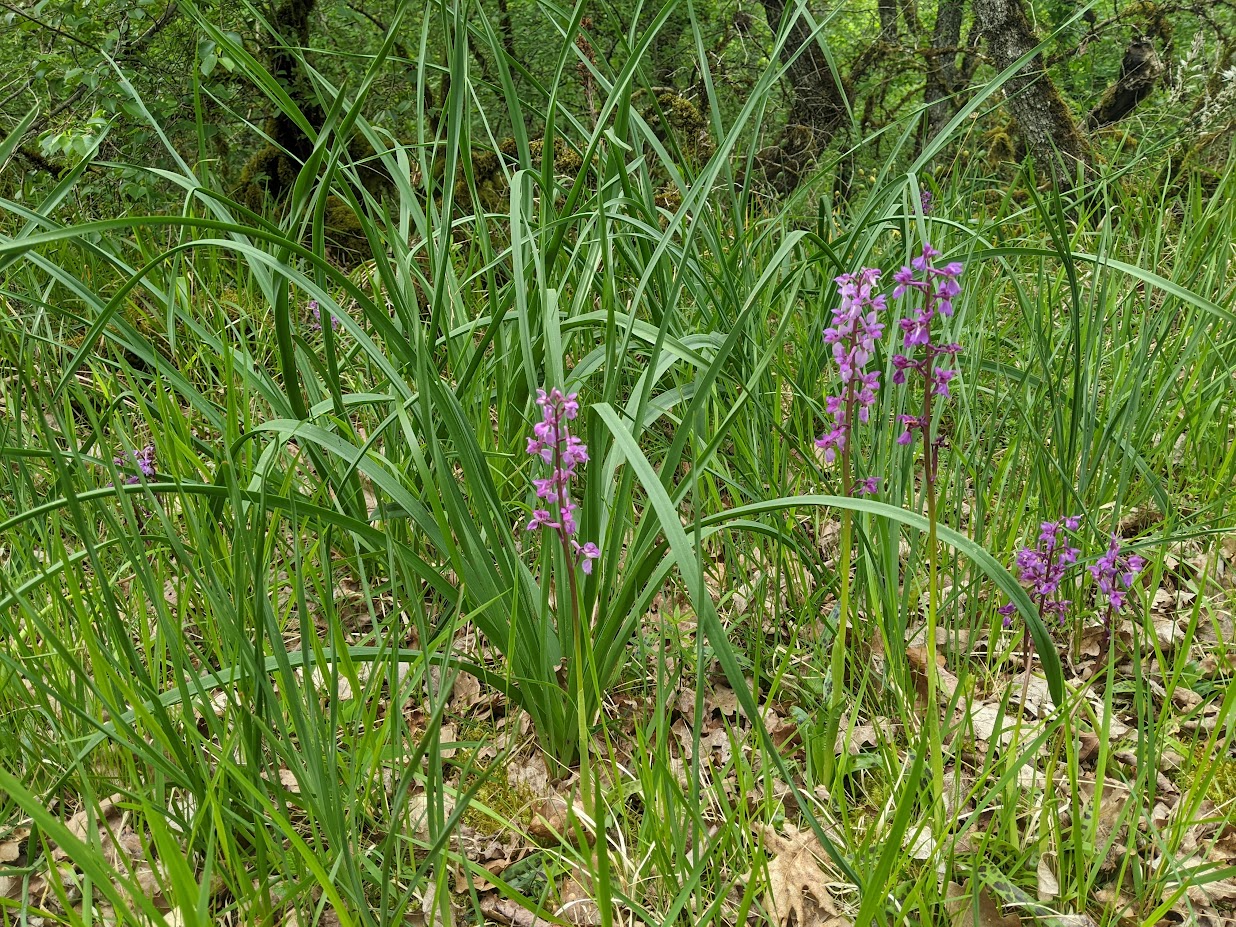
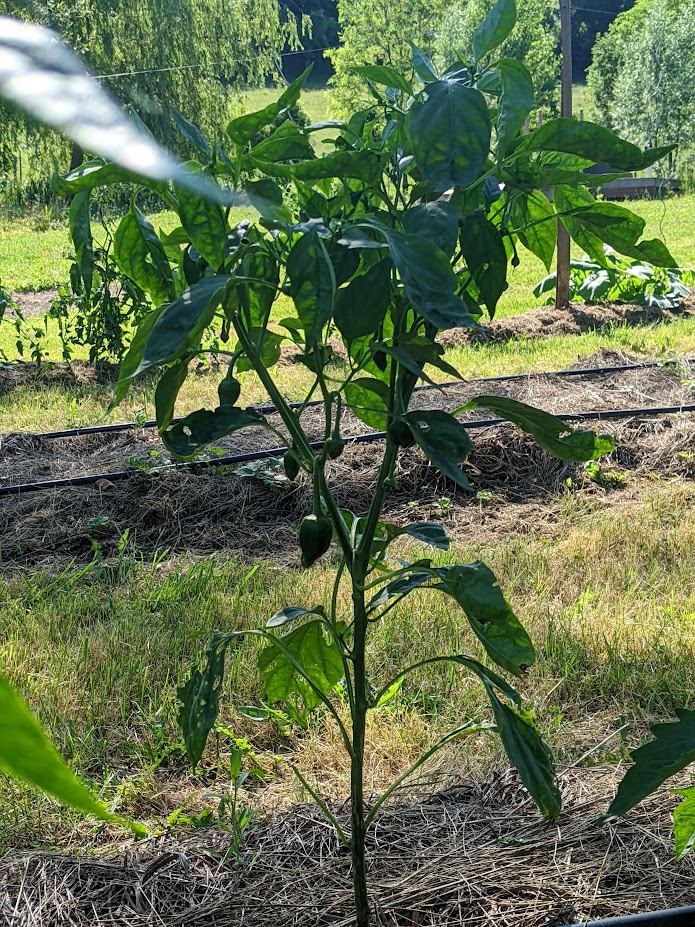
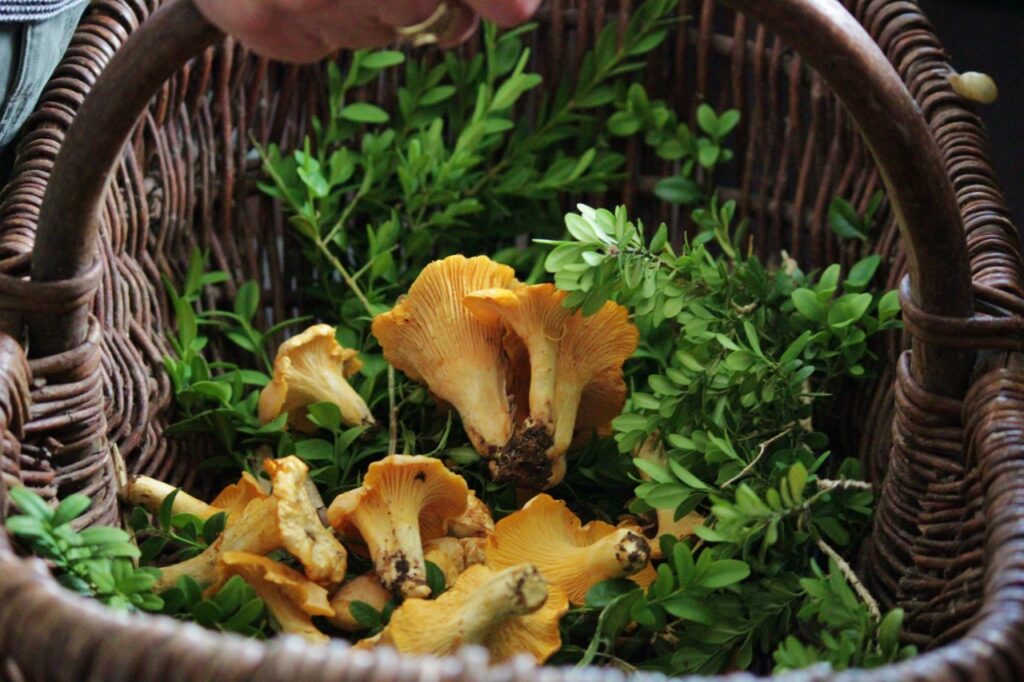
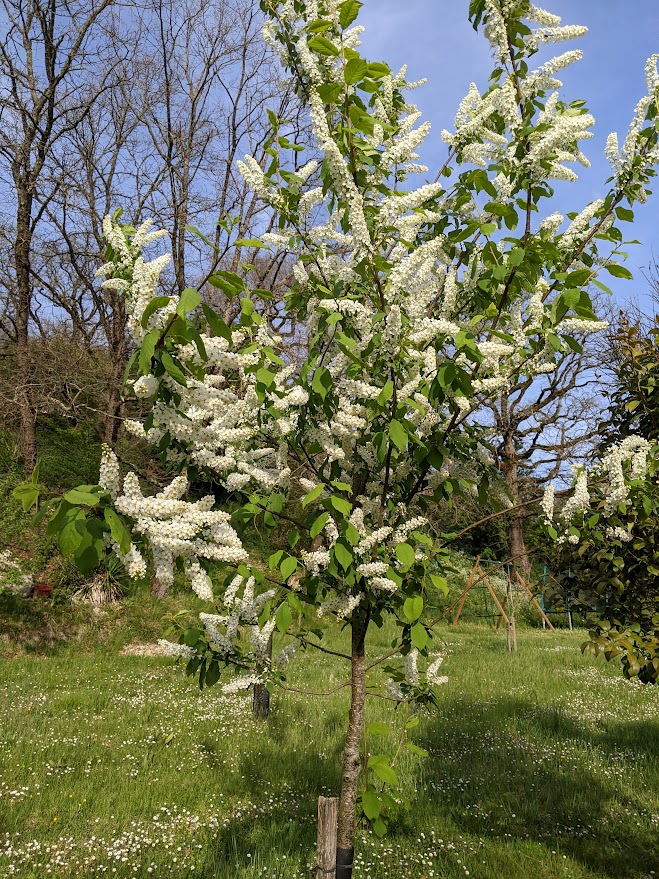
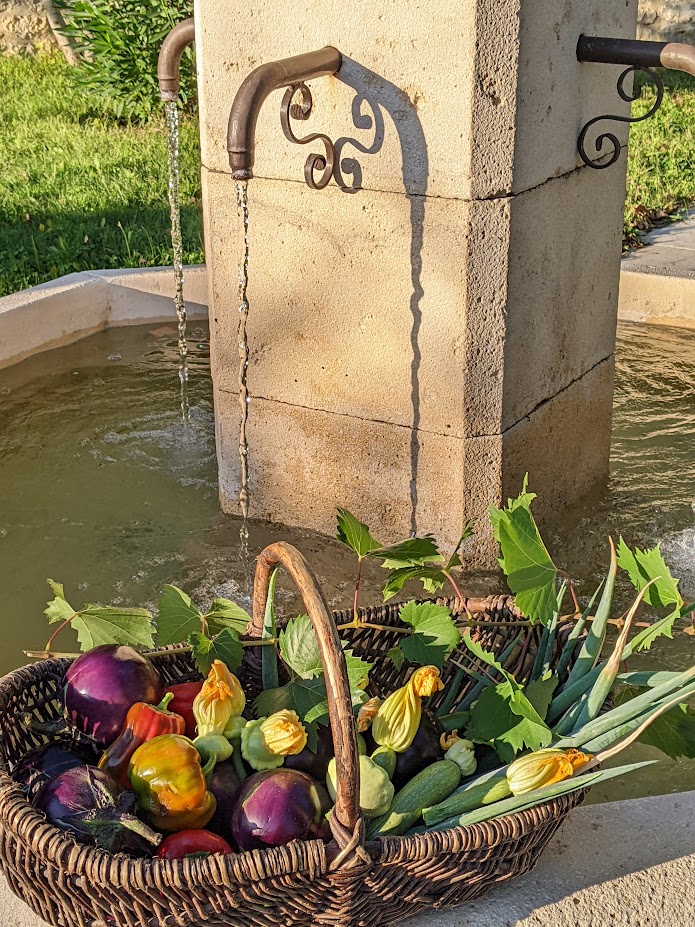
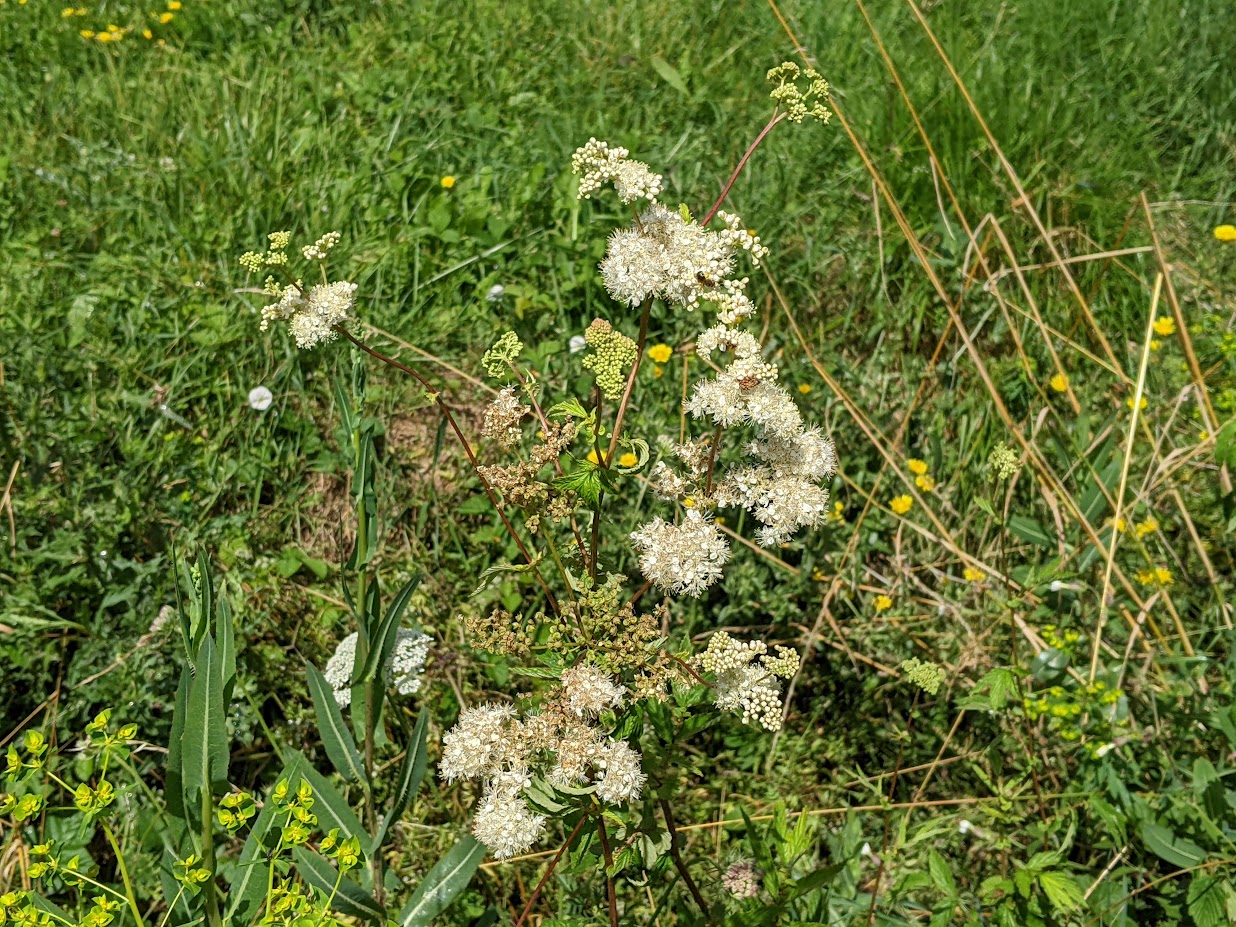
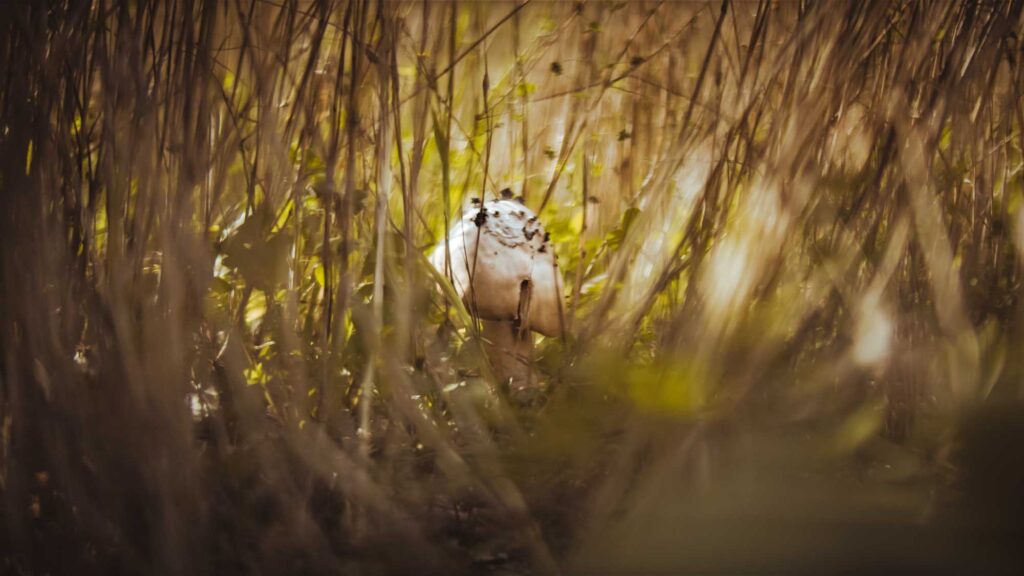
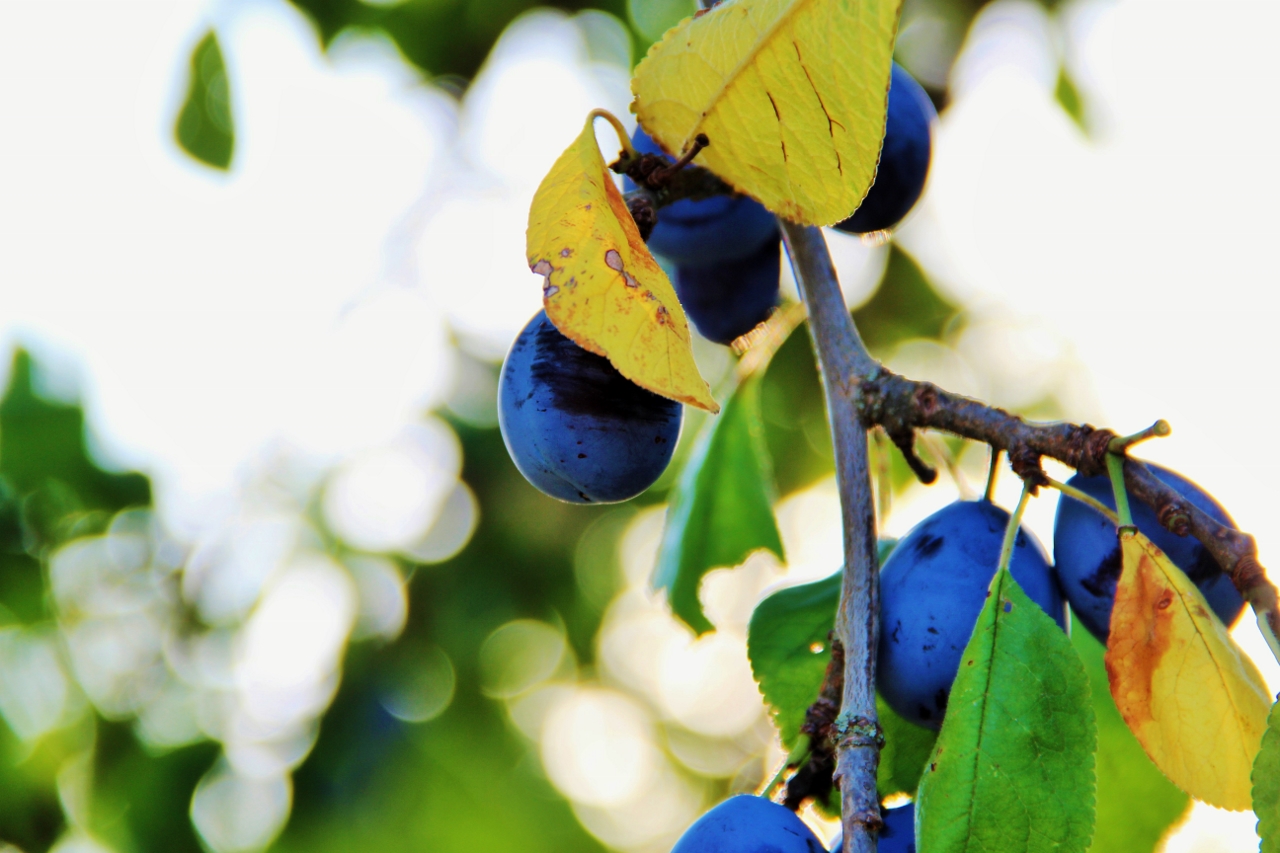
Les cueillettes sauvages sont une source permanente de bienfaits et de saveurs au Domaine de Saint-Géry.
Cela demande beaucoup de temps mais notre meilleure récompense, c'est votre plaisir quand vous goûtez un plat ou vos yeux remplis d'étonnement.
Tout cela en vaut la peine !
Les oliviers
Sur les terres arides et calcaires du Quercy, à côté de nos truffières, nos 400 oliviers, ont trouvé leur place tout naturellement.
Dans les inter-rangs, nous avons planté des champs de notre blé truffier développant une complantation bénéfique.
Tout autour, des haies de genêts d’Espagne, de lauriers, de cistes et de robiniers favorisent la vie de toute sorte d’insectes et participent à une biodiversité si chère au Domaine de Saint-Géry.
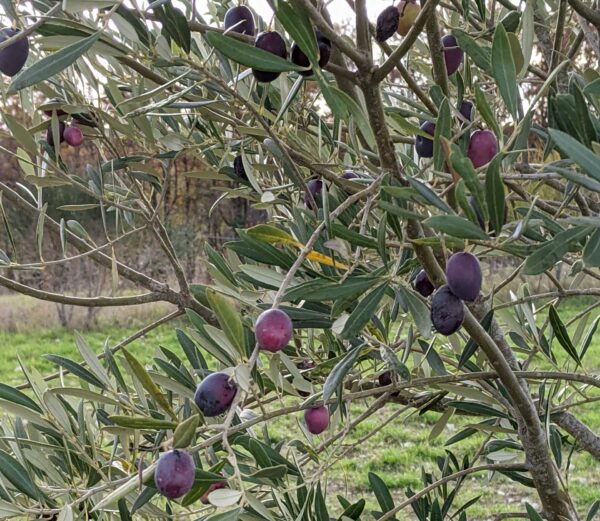
Deux variétés sont cultivées, la Picholine et l’Aglandau.
Connu pour sa résistance au froid, l’Aglandau tire son nom de sa forme allongée et ronde, semblable à un gland.
C’est une des seules variétés d’olivier à supporter les climats hivernaux.
Préparée en saumure, la Picholine se présente sous forme allongée, un noyau long et mince, une chair abondante, une belle couleur verte, un craquant et une saveur inégalable.
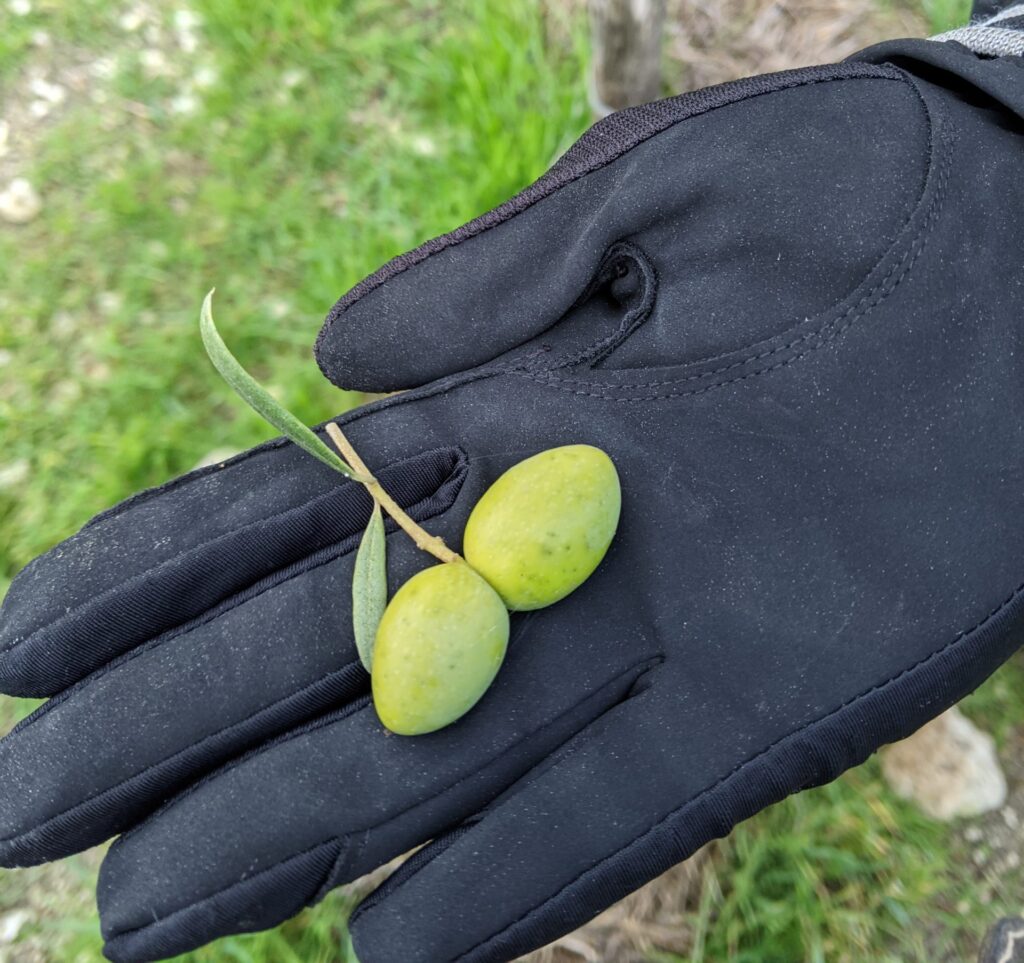
Transformées en olives de bouche, nous gardons plus de 25 kilos en bocal rien que pour vous, au restaurant et sur notre boutique en ligne.
Et quand nous en avons un peu plus ?
Nous mettons des olives de côté pour les presser et avoir notre propre huile.
Notre record ?
7 litres d'huile d'olive que nous gardons précieusement !
Les pruniers Datil
En 2020, lors du confinement, nous plantons plus de 400 pruniers datil, achetés au Conservatoire Végétal d’Aquitaine à côté d’Agen.
Cet arbre fruitier originaire du Lot, qui a failli disparaître, est très robuste et parfaitement adapté à nos sols calcaires, arides et pauvres.
Il ne nécessite aucun traitement fongicide, sa souche étant résistante, il ne développe pas de maladie.
Il correspondait parfaitement à notre vision de l’agroécologie.
Son fruit, une prune de petit calibre, acidulée ayant un taux de sucre particulièrement sucré est rebaptisée Violine.
Cette petite prune oubliée est très goûteuse en cuisine.
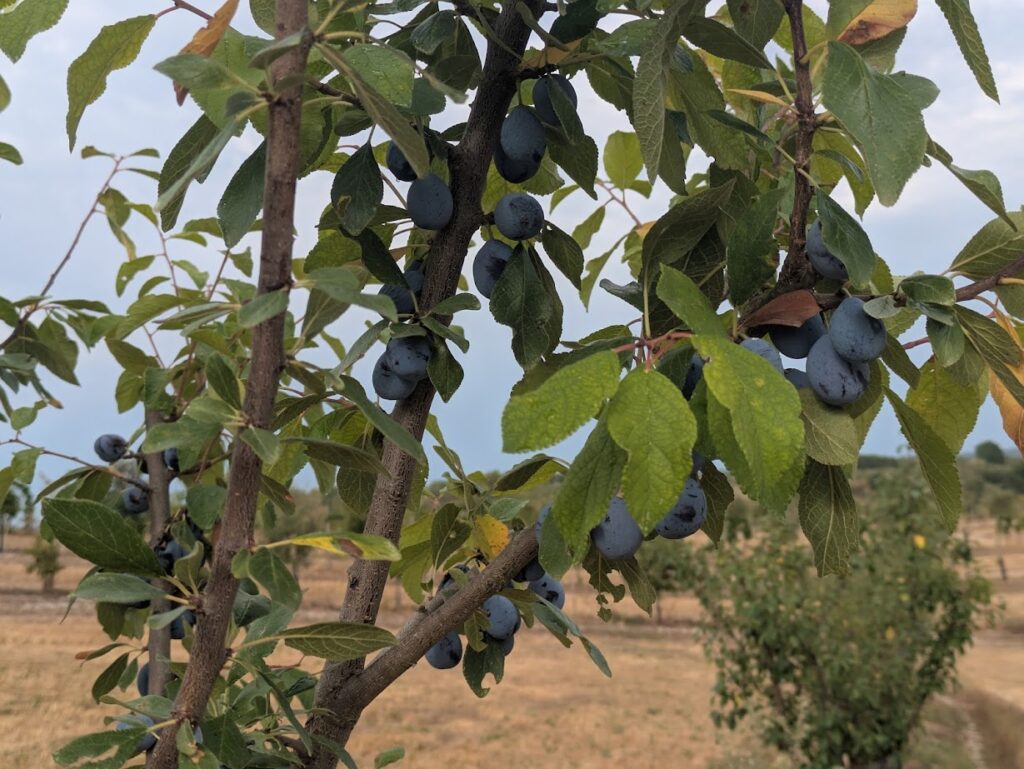
Elle permet d’obtenir des pruneaux remarquables, de grande qualité que nous dégusterons tels quels ou en accompagnement dans nos plats.
Quand notre production sera plus importante, nous distillerons ces fruits pour une eau-de-vie de prune, extrêmement parfumée.
Autour des pruniers qui servent de tuteurs, nous avons planté des plants de vigne qui produiront le vin des arbres ainsi que des champs de blé au milieu.
Ce mélange de culture ou complantation s’enrichît mutuellement, créant un couvert végétal.
Ce réseau racinaire permet de capturer efficacement les nutriments et de les remonter à la surface.
Plus les nutriments sont présents, plus les produits sont nourrissants et savoureux.
C’est aussi le cas, comme pour toutes nos cultures, de la prune datil. Nous sommes très heureux d’avoir fait revivre ce fruit oublié.